
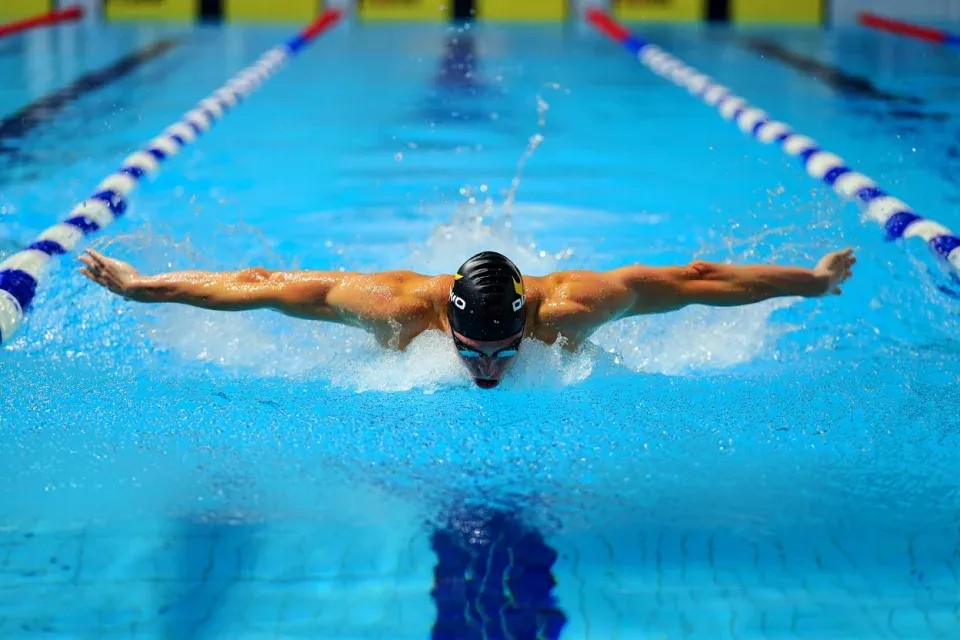
Butterfly lessons involve mastering the most challenging stroke at the pool through perfect coordination between your hands, feet, and breathing. The lessons emphasize the development of the flow that makes you move elegantly from being awkward in the water. Once you have witnessed somebody perform butterfly perfectly, everything looks easy. But getting there? That’s where the real coordination magic happens.
I’ve been around pools for years, and man, nothing tests your body like a butterfly. You can’t fake it. The stroke forces your upper body and lower half to work together in a way freestyle or breaststroke never does. I remember my first attempts – total mess, arms going one way, hips the other. But after some solid butterfly swimming lessons, things started clicking. Your whole body learns to move as one unit.
The Unique Demands of Butterfly Technique
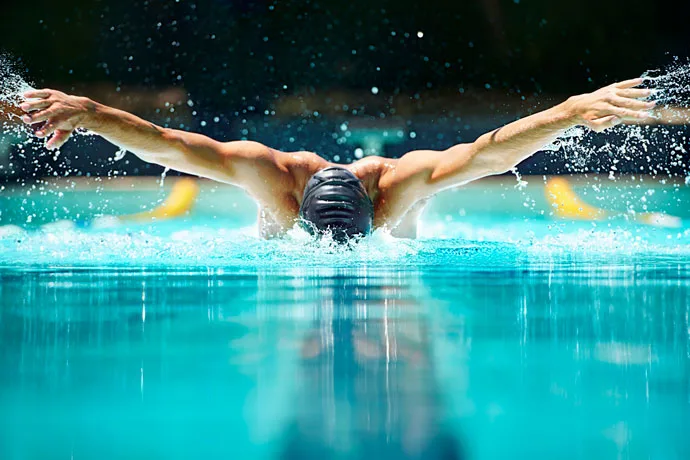
What makes butterfly different is the simultaneous arm pull and dolphin kick. Both sides of your body have to fire at the same time, creating this wave-like motion. It’s not just swimming – it’s full-body orchestration. Butterfly swimming lessons drill this over and over until your nervous system gets the pattern down.
You end up with better timing across muscle groups. Shoulders, core, and legs all sync up. I’ve seen people who felt clumsy on land suddenly move with more grace after a few months of focused practice. It’s wild how the pool translates to everyday movement.
Building Core Strength and Stability
Your core takes a beating in a butterfly, and that’s a good thing. Every undulation fires deep abdominal muscles and lower back in ways that regular gym work often misses. Butterfly swimming lessons push you to engage that center constantly for power and balance.
Without a strong core, the stroke falls apart. So instructors hammer home the importance of stability. Over time, this spills into better posture and control when you’re walking, lifting, or playing sports. I felt my balance improve even on dry land after sticking with it.
Arm and Shoulder Coordination
The recovery phase in butterfly – where your arms swing over the water – requires precise shoulder mobility and timing. Rush it and you create drag. Hesitate and you lose momentum. Good butterfly swimming lessons break this down step by step, helping you feel the right rhythm.
Your arms learn to lead while the rest of the body supports. This bilateral coordination is tough at first, especially if you’re stronger on one side. But practicing it evens you out. I’ve heard from friends that their tennis game or throwing accuracy got better after dialing in butterfly.
Legs and the Dolphin Kick Connection
The dolphin kick isn’t just for show. It drives the whole stroke and needs to sync perfectly with your arm pulls. Butterfly swimming lessons spend serious time on this because weak or mistimed kicks kill your efficiency.
When you get it right, your legs and hips generate power that flows upward. It trains your lower body to respond to upper body cues instantly. That kind of neuromuscular connection is gold for overall coordination. Short, punchy kicks at first, then longer, smoother ones as you improve.
Breathing Rhythm and Total Body Sync
Breathing in butterfly happens on a specific count, usually every other stroke. Mess up the timing and your whole body falls out of rhythm. Lessons emphasize this pattern until it becomes automatic.
You learn to integrate breath with movement instead of fighting it. This full integration – lungs, arms, core, legs – is what really boosts coordination. It’s like teaching your body to conduct an orchestra. I still catch myself using similar breathing control during runs or heavy lifts.
How It Translates to Everyday Life
After consistent butterfly swimming lessons, people often notice they feel more athletic in daily activities. Better balance on stairs, quicker reactions when catching something, even improved dancing rhythm. The stroke trains explosive power mixed with control.
It’s not magic, but the carryover is real. Your brain gets better at managing complex movement patterns. I’m not the most graceful guy, yet I move through crowded spaces easier now. Friends have said the same after picking up butterfly.
Mental Focus and Body Awareness
Butterfly demand concentration. You can’t zone out or the stroke collapses. Lessons build this mind-body link where you stay present with every wave. This heightened awareness sharpens overall coordination.
You start noticing small adjustments your body needs. That feedback loop is powerful. It’s blunt but true – if you suck at butterfly, it shows immediately. No hiding. That honesty in the water forces faster progress than vague gym routines.
Overcoming Plateaus and Common Struggles
Most people hit walls early on. Arms tire fast, kicks feel weak, timing never lines up. Good butterfly swimming lessons address these directly with drills and progressions.
Patience is key. I’ve seen beginners go from splashing disasters to looking decent in ten sessions. The coordination gains come in bursts. One day it just flows better. Stick with it and the improvements compound.
Who Benefits Most from These Lessons
Athletes, weekend warriors, even older adults looking to stay sharp can gain from butterfly swimming lessons. Kids build foundational coordination, adults fight off stiffness. It’s demanding but adaptable with proper coaching.
Don’t think you need to be a pro swimmer. Plenty of folks start as total newbies and see big changes. The stroke levels the playing field by challenging everyone’s timing and strength.
Comparing to Other Swimming Styles
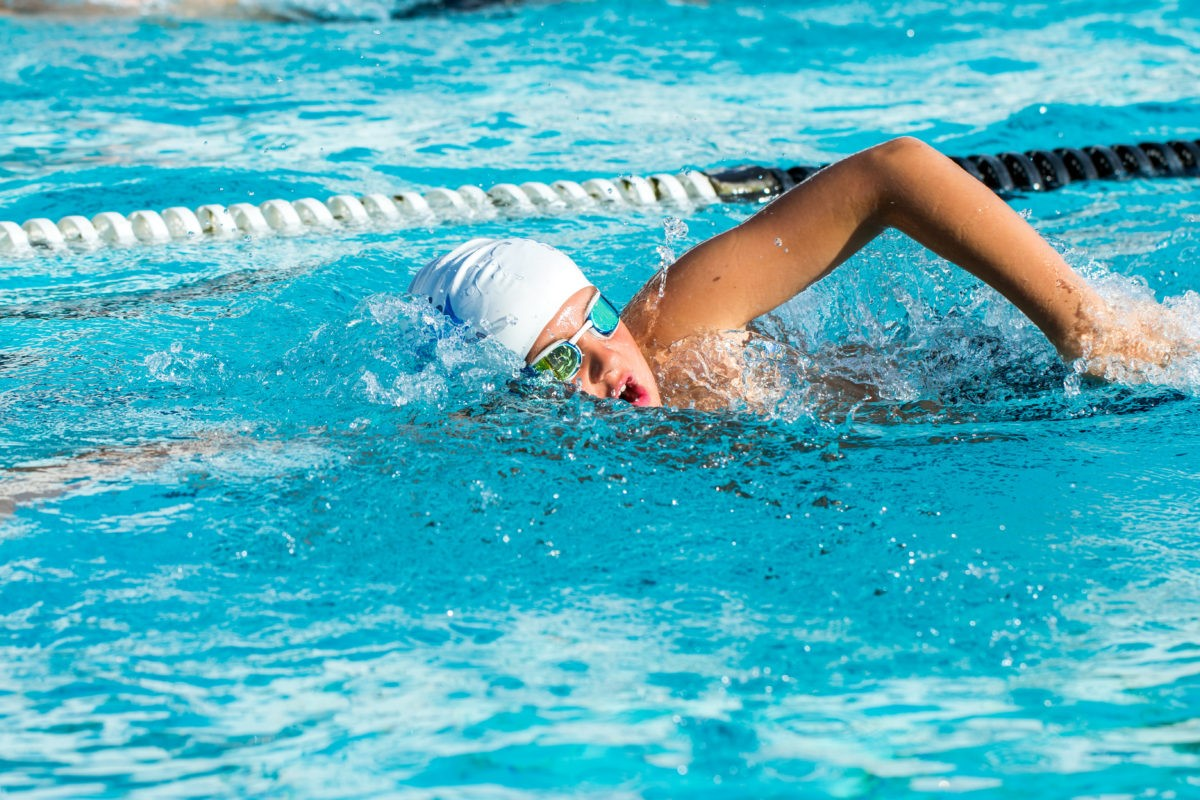
Freestyle is great for endurance but doesn’t demand the same total sync. Breaststroke works different muscles. Butterfly force everything together at once. That intensity is what makes it special for coordination training.
Mixing it in with other strokes gives the best results. But if you want one thing to seriously level up body control, butterfly stands out. It’s harder, sure, but the payoff feels worth it.
Conclusion
In the end, butterfly swimming lessons deliver serious gains in how your body moves and works together. They push limits in ways that build real, lasting coordination that helps both in and out of the water. If you’re serious about getting stronger, more balanced, and efficient, these lessons are a solid choice. And if you want to improve swimming overall, adding butterfly to your routine can take your skills to another level. Give it a shot – your body will thank you later.