
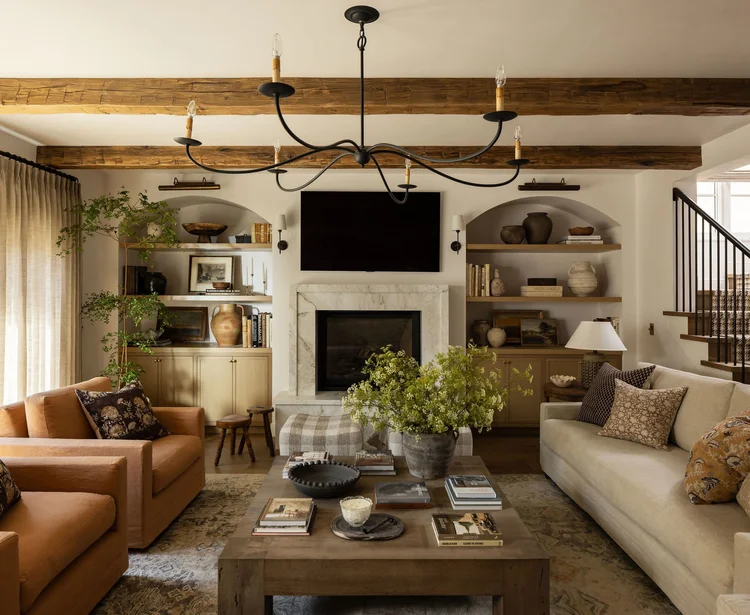
It's my intention. It’s lines drawn on paper that somehow turned into something you can walk through. And photographing that? That’s not just showing up with a camera and pressing a button.
If you’re hiring a truckee architectural photographer or a Sacramento Architectural Photographer, you’re not just booking someone to “take pictures.” You’re bringing in someone to interpret space. To translate structure into story. And yeah, that sounds dramatic. But it’s true.
I’ve worked around architects, builders, designers. They obsess over millimeters. Over light angles. Over materials that most people don’t even notice. So when it comes time to photograph a project, the expectation isn’t casual. It’s precise. Intentional. Honest.
This post isn’t fluff. It’s the real talk version of what architectural photography actually involves, why it matters, and what separates average documentation from work that actually elevates your brand.
Architecture Deserves More Than Real Estate Photos
Completely different pacing. Real estate photography moves fast. It’s about selling square footage. Clean, bright, wide. Done.
Architectural photography slows down. It studies the design.
Understanding Mountain Architecture in Truckee
Truckee architecture has a personality.Lots of timber. Steel. Stone. Big windows pulling in alpine views. Shooting in the mountains isn’t easy. The weather shifts fast. Light changes even faster. One minute it’s golden and soft. Next minute you’re dealing with harsh contrast bouncing off snow.
A trucker architectural photographer has to understand that rhythm. You don’t fight the environment up there. You work with it.
Morning light hits differently in high elevation homes. Reflections off snow can overexpose interiors if you’re not careful. And cabins that look cozy in person can feel flat on camera if the lighting isn’t handled right.
So you adjust. You bracket exposures. You wait. Sometimes you come back the next day because the sky just wasn’t doing its job.
Architecture in Truckee is about connection to landscape. If the photographer doesn’t understand that, the images fall flat. Simple as that.
Sacramento’s Architectural Identity Is Different. And That Matters.
Sacramento has a completely different architectural feel. You’ve got historic Victorians. Mid-century homes. Modern commercial spaces downtown. A Sacramento Architectural Photographer has to move fluidly between eras. Between textures. Between design languages.
In the city, lines matter. Vertical integrity matters. You can’t have buildings leaning because you rushed your tripod setup. Perspective control isn’t optional.
Urban architecture also interacts with people differently. Sidewalks. Street traffic. Trees. Shadows from neighboring structures. You don’t isolate buildings from context—you decide how much context tells the story.
And sometimes that means waiting for foot traffic to clear. Sometimes it means leaving it in.
Light Is Everything. And It’s Never Predictable.
I don’t care how expensive the camera is. If the light is wrong, the image fails.Natural light is usually king in architectural photography. But natural light is also unpredictable and, honestly, annoying sometimes.
Cloud cover softens hard shadows but can flatten texture. Direct sunlight gives drama but can create brutal contrast. Interior lighting can clash in color temperature with daylight pouring through windows.
You can correct some of it in post. Sure. But not all of it. And not well if it wasn’t captured properly in the first place.
That’s why timing matters. Golden hour isn’t just trendy. It’s practical. Early mornings can give clean lines without harsh overhead shadows. Twilight can transform a commercial exterior completely.
Composition Is Where Amateurs Get Exposed
Anyone can stand in a room and shoot wide.Not everyone knows how to compose architecture without distorting it.Lines need to stay straight. Vertical walls shouldn’t bow. Foreground elements shouldn’t distract from structural intent. A good architectural photographer studies the design before shooting. Walk through space. Look for visual anchors.
Why Detail Shots Matter More Than You Think
Wide shots show the space. Detail shots show the craftsmanship. Architects and builders obsess over materials. The way wood grain aligns. The seam in concrete. The hardware finish on custom cabinetry. Those details deserve attention.
A thoughtful trucker architectural photographer knows when to step back and when to move in close. The texture of reclaimed timber in a mountain home tells a different story than a smooth concrete wall in a downtown office. And when clients flip through a portfolio, those detailed images are often what make them pause.
Working With Architects and Builders Is a Collaboration
Here’s something people don’t talk about enough: architectural photography works best when it’s collaborative. Architects know their design intent. Builders know the technical challenges they overcame. Designers know the mood they were aiming for. If the photographer shows up without listening, that disconnect shows in the final images. I always ask: What are you most proud of in this project? What details matter most? Where should the viewer’s eye land? It’s not about ego. It’s about alignment. When a Sacramento Architectural Photographer understands the client’s vision, the shoot becomes intentional instead of mechanical.
Editing Should Enhance, Not Rewrite Reality
Post-production is powerful. Too powerful, sometimes.Over-editing architecture kills credibility. Colors get unrealistic. Skies look fake. Shadows disappear in a way that feels… off.Good editing corrects lens distortion. Balances exposure. Cleans distractions. It doesn’t fabricate.Especially in professional portfolios, authenticity matters. Architects want their work represented accurately. Builders want materials to look true-to-life.The goal isn’t fantasy. It’s clear.Strong photography starts in-camera. Editing just refines it.
Commercial Architecture Requires Strategy
Commercial projects are a different beast. Office buildings, retail spaces, hospitality environments—they’re designed with user flow in mind. Branding. Function. Photographing commercial architecture means thinking about how the space operates. Where customers enter. How light guides movement. Where signage interacts with structure.
In Sacramento especially, commercial spaces often blend historic facades with modern interiors. Capturing that contrast takes awareness. You can’t treat a corporate office like a mountain lodge. The tone shifts. The framing shifts. Even the time of day shifts depending on how the business wants to present itself.
Exterior Photography Is About Timing and Environment
You’re dealing with weather, sun position, reflections, landscaping, sometimes even construction debris that wasn’t fully cleared. Mountain homes in Truckee might look incredible under snow, or completely hidden by it. Sacramento exteriors might compete with harsh summer sunlight.
Twilight photography is often the sweet spot. Interior lights glowing. Sky holding color. Structure standing clean against contrast. Architectural photography rewards preparation. Scouting the location ahead of time. Checking sun path apps. Understanding seasonal shifts.
Investing in Professional Architectural Photography Pays Off
Some people hesitate at the cost. But here’s the thing: your project probably took months. Maybe years. Hundreds of thousands of dollars. Maybe more. Why would you document it with average imagery?
High-quality architectural photography elevates websites, marketing materials, award submissions, press features. It builds authority. When potential clients browse portfolios, they’re judging design based on imagery. If the photos don’t communicate the quality of the work, you’re underselling yourself. Hiring the right photographer isn’t an expense. It’s leverage.
Choosing the Right Photographer for Your Project
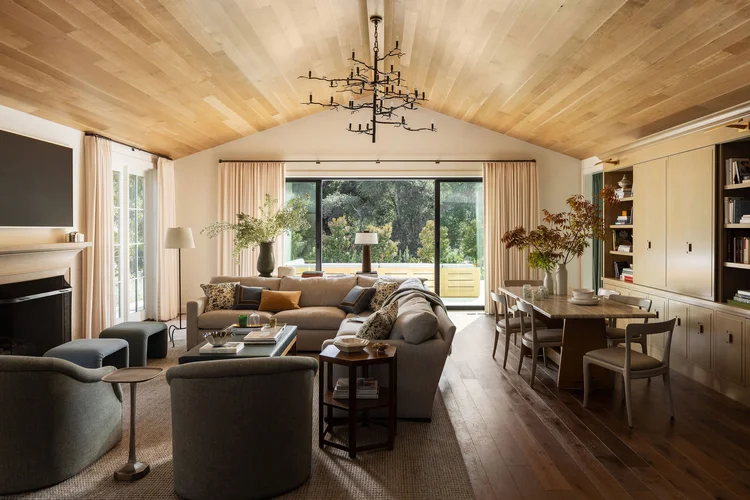
Not every photographer fits every project. Look at portfolios carefully. Do they understand architecture, or are they just shooting pretty rooms? Do lines stay straight? Do materials look natural? Is there consistency across projects?
Experience in specific regions matters too. Mountain environments differ from urban grids. A photographer familiar with both Truckee and Sacramento understands those shifts intuitively. Ask about the process. About planning. About editing philosophy. And trust your gut. Architecture is intentional. The photography documenting it should be too.
FAQs:-
When is the best time to schedule architectural photography?
Early morning and late afternoon often provide the best natural light. Twilight works especially well for exteriors. However, timing depends on the building’s orientation and how sunlight interacts with the structure throughout the day.
How long does an architectural photo shoot take?
It varies by project size and complexity. A residential shoot may take several hours to a full day. Larger commercial projects can span multiple days, especially if multiple lighting conditions are needed.
Why is professional editing important in architectural photography?
Editing corrects distortion, balances exposure, and ensures colors remain true to life. It enhances clarity without altering the integrity of the design.