
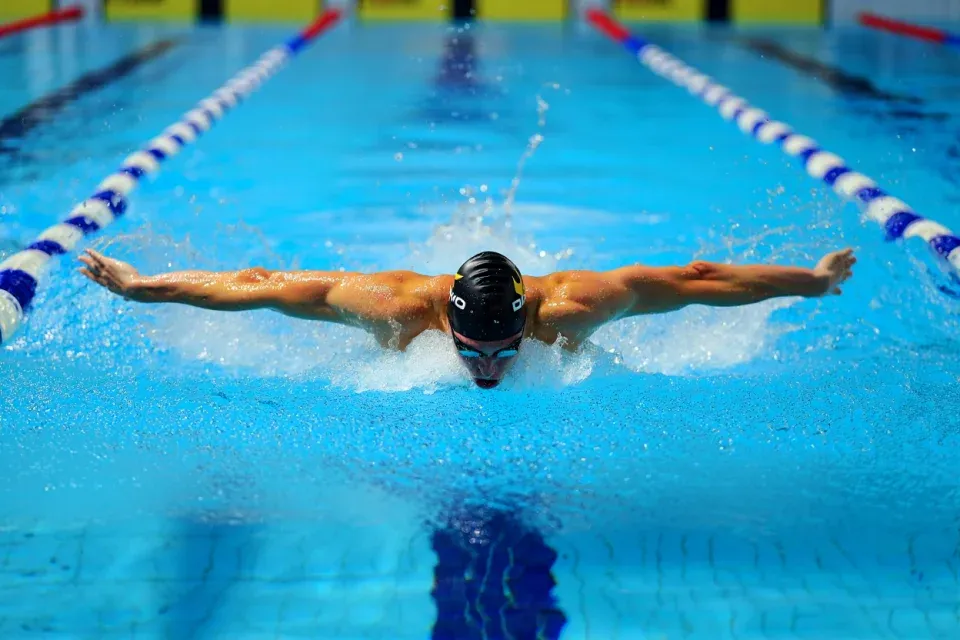
Butterfly may be quite an intimidating stroke to begin with; however, once one perfects the dolphin kick, it all comes together in harmony. The technique is explained below in detail so that you can work your way through the water rather than against it. This guide to butterfly swimming for beginners focuses on building the fundamentals step by step.
I have spent way too many mornings in the pool observing beginner swimmers struggling with butterfly. Man, it looks exhausting. The arms go wild, the legs barely move, and they sink like stones halfway down the lane. But once you get the dolphin kick right, the whole stroke transforms. It’s not magic, just smart body movement that propels you forward instead of wearing you out.
What Makes the Dolphin Kick So Important in Butterfly?
Dolphin kick can be termed as the power of the butterfly stroke. As opposed to the freestyle and breaststroke, dolphin kick involves the utilization of this power wave movement with both legs simultaneously. This kick begins at the core of your body, passes through the hips and ends up with a snap of your feet. This kick is usually overlooked by beginners.Get this kick solid and you’ll swim farther with less effort. I remember my own early days – felt like I was drowning in place until I focused on the legs first.
Breaking Down the Basic Dolphin Kick Motion
Firstly, you need to position yourself in the water lying on your stomach, extending your arms. You have to imagine yourself as a wave. Press your hip downwards, and then this pressure will transfer to your knees and ankles smoothly. There are two phases of the kick - the first is the downbeat, which gives you maximum power, and the second is the upbeat for setting the next cycle. Practice this on the wall first if you’re new. Short bursts, not marathon efforts. You’ll feel it in your abs pretty quick.
Common Mistakes Beginners Make with the Dolphin Kick
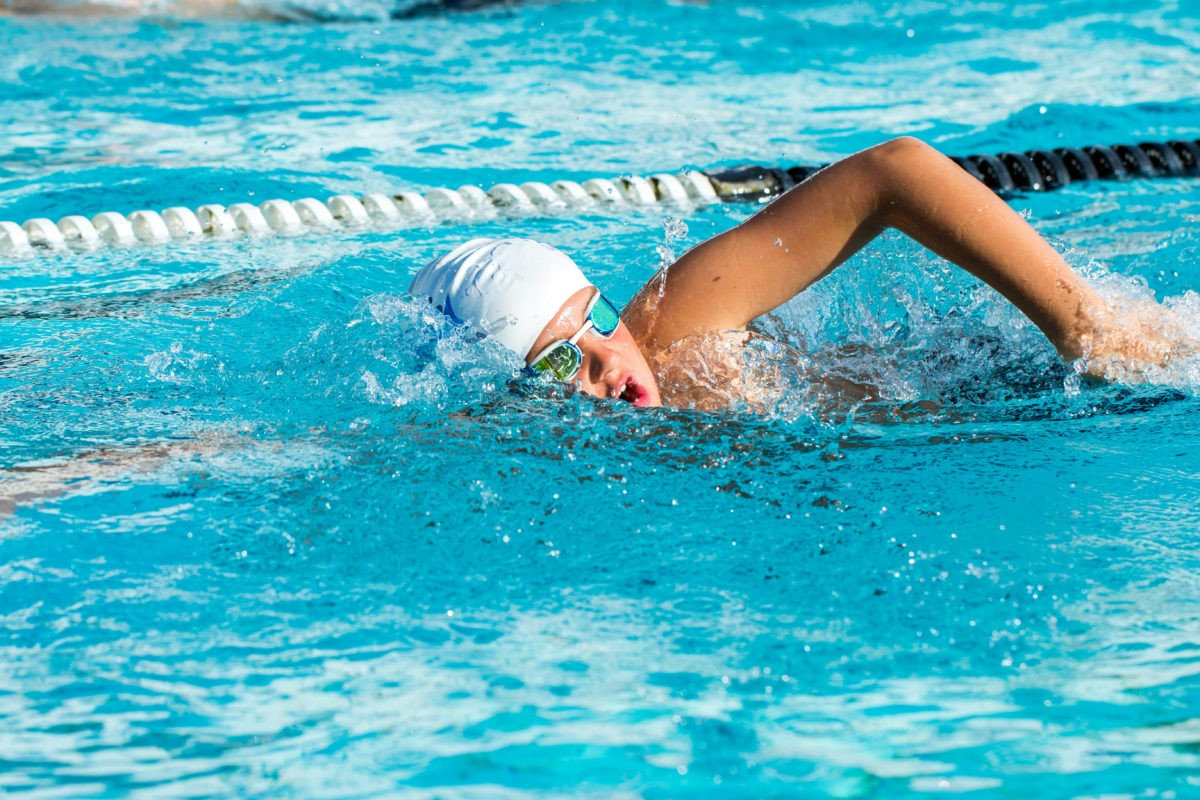
A lot of newbies kick from the knees only, like a tiny flutter. That kills power and creates tons of drag. Others bend too much at the waist and look like they’re doing the worm. Keep your core tight but not rigid. Another big one is timing – if your kick doesn’t sync with the arm pull, you lose rhythm. I’ve seen folks splash huge amounts of water everywhere thinking that means power. Nope. Clean, controlled waves work way better than wild thrashing.
Dry Land Drills to Build the Right Feel
You don’t even need water to start grooving the motion. Lie on your stomach on a mat and practice the wave from chest to toes. Or stand and do standing dolphin kicks focusing on hip drive. Some swimmers use resistance bands around their ankles for added feel. These exercises help your body memorize the pattern before you hit the pool. Takes ten minutes a day and pays off fast. My buddy who coaches beginners swears by them – cuts learning time in half.
Pool Drills That Actually Help You Improve
Grab a kickboard and hold it out front. Do dolphin kicks only, keeping your head down. Focus on making one big wave instead of lots of little ones. Then try vertical dolphin kicks in deep water – tread with your arms and kick up and down like you’re bouncing on a pogo stick. Builds strength quickly. Another good one is underwater dolphin glides after a push-off. See how far you can go in one breath. Start short, build distance. These drills turned my own butterfly from an awkward mess to something decent.
Timing the Kick with Your Arm Pulls
This is where most beginners fall apart. The dolphin kick should happen twice per arm cycle usually. One kick as your arms enter the water, another as they exit and recover. It keeps your body moving forward smoothly. Rush it and you’ll pop out of the water too much. Too slow and you drag. Experiment in slow motion at first. Film yourself on your phone if possible. Watching playback shows exactly where your timing sucks. Trust me, it’s humbling but helpful.
Building Power and Endurance in the Kick
Once the motion feels okay, add some resistance. Use fins at first – they help you feel the water better and build confidence. Then ditch them for regular kicks. Do sets like 8x25 meters focusing on strong downbeats. Rest plenty between. Your core will scream at first, but that’s normal. Strong abs and lower back make all the difference in butterfly. I like mixing in some bodyweight planks and Russian twists on land too. Helps prevent injury when you ramp up volume.
Breathing and Body Position Tips
Keep your head in line with your spine most of the time. Lift it just enough to breathe when your arms are pulling back. Don’t crane your neck forward or you’ll sink your hips. The chest should press down slightly as the hips rise. It creates that undulating wave naturally. Relax your shoulders – tension kills the flow. Beginners often hold their breath too long. Quick sip in, smooth exhale underwater. Small details like these separate the ones who quit after a month from those who keep going.
Putting It All Together in Full Stroke
Now combine everything. Start slow with single arm pulls and double dolphin kicks. Gradually build to full stroke. Count your kicks and make sure rhythm stays consistent. Don’t chase speed yet – clean technique first. You’ll probably look choppy for weeks, and that’s okay. Every decent butterfly swimmer started exactly where you are. Keep sessions short but focused. Quality beats junk yards of sloppy laps.
Staying Consistent and Tracking Progress
Track your improvements somehow. Maybe time your 25s or just note how many kicks it takes to cross the pool. Celebrate small wins like smoother glides or less fatigue. Find a training partner or join a beginner group. Having someone watch you helps catch bad habits early. The pool can feel lonely when you’re struggling, but sticking with it pays off big time. Before you know it, you’ll be stringing together decent 50s or even 100s.
Conclusion
Learning how to kick a dolphin kick will definitely give a new twist to butterfly. Yes, it may take some time and effort, but believe me; the result is really worth it! If you learn and train yourself in these basic techniques, your swimming will definitely improve no matter which stroke you choose.