
Midway services septic problems usually don’t show up all at once. That’s the frustrating part. Most drainage issues start quietly. A slow sink. A toilet that bubbles once in a while. Maybe a smell outside that comes and goes. People ignore it because life gets busy. Fair enough. But septic systems rarely “fix themselves.” They just get worse slowly, underneath everything.
And honestly, diagnosing drainage problems isn’t guesswork. Good septic professionals don’t just show up, pump a tank, and leave. The real experts look at patterns. They pay attention to what your system is trying to tell them before things get ugly.
That’s where experience matters. A lot more than people realize.
Drainage Problems Usually Start Small
Most homeowners expect a disaster before they call somebody. Sewage backing up. Water standing everywhere. The whole yard smelled terrible. But that’s late-stage stuff. By then, the problem has usually been growing for months. Sometimes years.
The early signs are less dramatic. Drains taking longer than normal. Gurgling sounds in pipes. Wet spots near the drain field after regular water use. Things like that. Easy to brush off at first.
Septic experts know these little symptoms connect together. One slow drain by itself might not mean much. But combine it with odors and soggy patches? Different story.
That’s why diagnosis matters more than people think. You’re not just fixing a clog. You’re figuring out why the system stopped handling wastewater properly in the first place.
The First Thing Septic Experts Check
Usually, the inspection starts with questions. Simple ones.
How long has this been happening? Any recent heavy rain? Has the tank been pumped lately? Are multiple drains acting up or just one?
These questions sound basic, but they tell a lot. If only one sink drains slowly, it could just be a local plumbing issue. But if toilets, tubs, and sinks all struggle together, that points toward the septic system itself.
Experienced Midway services septic professionals listen carefully because homeowners often mention clues without realizing it. Maybe the washing machine backs up after long showers. Maybe the yard gets wet after guests stay over for the weekend.
Patterns matter. Small details matter too.
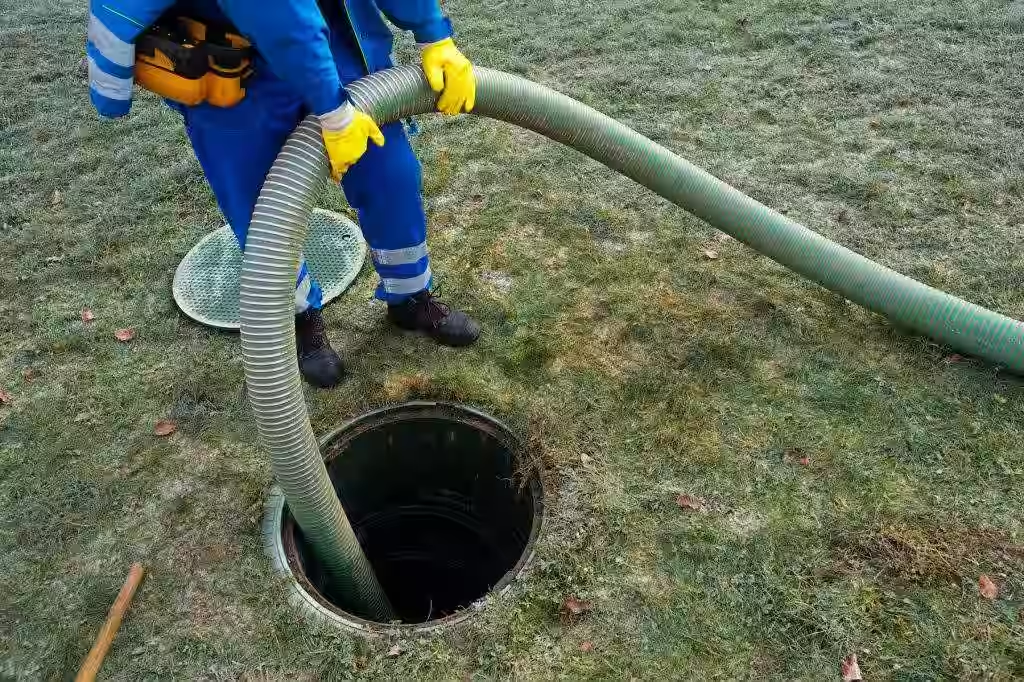
Inspecting the Septic Tank Itself
This part gets overlooked online because people focus on the drain field. But the tank tells its own story.
A septic expert will check sludge levels, scum buildup, water height, and how wastewater moves through the compartments. If solids are escaping the tank, that’s a huge warning sign. It usually means maintenance got skipped too long.
Sometimes the tank itself isn’t damaged at all. The issue could be a blocked outlet filter or collapsed baffle. Those smaller failures can create major drainage problems surprisingly fast.
And honestly, septic systems are kind of unforgiving like that. Ignore one little thing for too long, suddenly the entire system struggles.
That’s why proper inspections aren’t rushed.
Why Drain Field Inspections Matter So Much
The drain field is where most serious septic problems eventually end up. Once wastewater leaves the tank, it has to filter through soil correctly. If that process breaks down, drainage slows everywhere.
Experts look for soggy areas, strange grass growth, pooling water, and odors near the field lines. Sometimes the signs are obvious. Sometimes not really.
A healthy drain field usually blends into the yard naturally. When one section suddenly turns bright green while the rest looks normal? Yeah. That can signal excess wastewater underneath.
Midway services septic teams often use probing tools and inspection methods to check whether soil absorption is failing. Because once the ground stops filtering properly, backups start happening inside the house too.
It’s all connected.
Water Usage Tells a Bigger Story
One thing septic professionals notice quickly is water overload.
A lot of households unknowingly stress their system every single day. Multiple laundry loads back-to-back. Long showers. Constant dishwasher use. Extra guests staying over. The system gets flooded faster than it can recover.
Too much water forces solids toward the drain field before they’ve broken down properly. Over time, this clogs soil and reduces absorption.
Good septic experts don’t just diagnose the current issue. They look at the habits causing it.
That part matters because fixing the symptom without changing the behavior usually means the problem comes back later. Maybe not next month, but eventually.
Camera Inspections Help Find Hidden Problems
Modern septic diagnostics use cameras more often now, especially when pipes are involved.
Small inspection cameras get fed through drainage lines to locate cracks, root intrusion, blockages, or collapsed sections. And honestly, tree roots are sneaky. They find tiny openings in pipes and slowly make things worse underground.
Homeowners rarely see this damage until backups happen. By then, roots may already be choking off wastewater flow almost completely.
Camera inspections save time because experts stop guessing. They can pinpoint exactly where drainage slows down or where structural damage starts.
And that changes how repairs get handled. No unnecessary digging everywhere. Just targeted fixes where the issue actually exists.
Soil Conditions Change Everything
Not every septic system behaves the same because soil changes everything underneath.
Clay-heavy soil drains slowly. Sandy soil drains fast, sometimes too fast for proper filtration. Add weather into the mix and systems become even harder to predict.
After days of heavy rain, drain fields may already be saturated before household water even enters them. That’s why drainage problems sometimes appear “suddenly” after storms.
Local septic experts understand these environmental factors better than generic online advice ever could. They’ve seen how regional soil behaves over time.
Honestly, septic systems are partly plumbing and partly land management. People forget that.
Sometimes the Problem Isn’t the Septic System
This surprises homeowners a lot.
Not every drainage issue comes directly from septic failure. Sometimes the issue starts inside household plumbing. Grease buildup in kitchen lines. Pipe bellies. Venting problems. Old damaged plumbing under the home.
A good technician won’t automatically blame the septic tank for everything. They isolate the source carefully first.
That’s important because misdiagnosing the issue wastes money. Nobody wants a full drain field replacement when the real issue was a crushed line near the house.
Experienced Midway services septic professionals know the difference because they’ve seen every version of drainage trouble imaginable. The weird ones too.
Drainage Problems Often Build Over Years
This is probably the hardest thing homeowners accept.
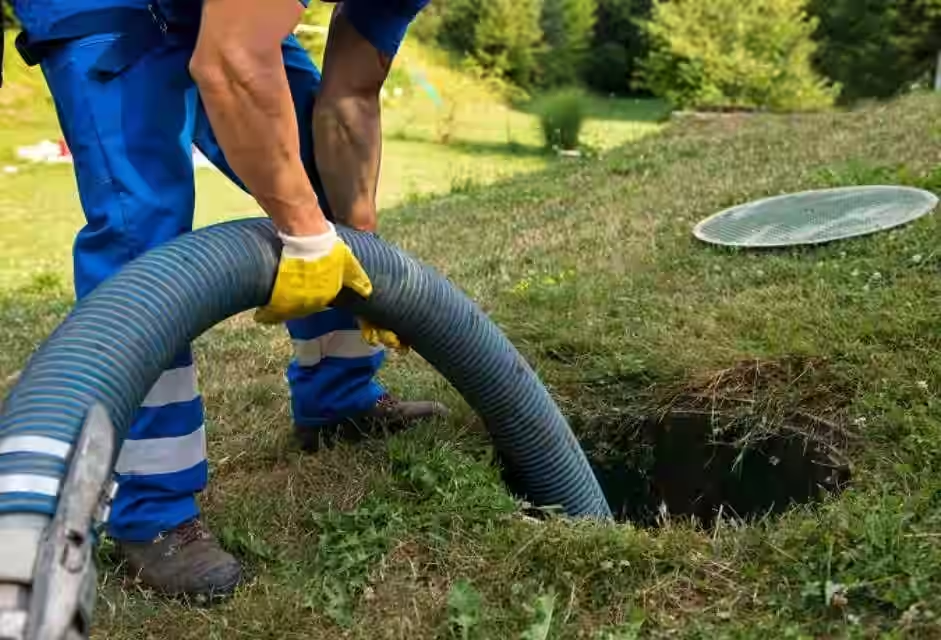
Most septic issues don’t happen because of one bad week. They build slowly from years of stress. Small habits stacking on top of each other. Excess water use. Delayed pumping. Harsh chemicals killing bacteria inside the tank.
Flushable wipes are another big one. They’re terrible for septic systems honestly, despite the packaging claims. Same goes for grease and food waste getting dumped constantly.
Over time, solids move where they shouldn’t. Soil starts clogging. Pipes strain harder. Then eventually something gives out.
That’s why septic experts ask about maintenance history first. The past explains a lot.
Why Regular Maintenance Makes Diagnosis Easier
Systems that receive regular inspections are much easier to diagnose accurately.
When septic professionals already know the property history, they can spot changes faster. Rising sludge levels. Slower absorption. Minor flow restrictions. Early warning signs before disaster happens.
Without maintenance records, diagnosis becomes harder because there’s no baseline comparison.
And look, nobody gets excited about septic maintenance. It’s not exactly fun homeowner stuff. But regular servicing keeps small problems from turning into major excavation projects later.
That’s the difference.
Homeowners Usually Wait Too Long
This happens constantly.
People notice signs early, but they delay calling someone because they hope it’ll go away. Maybe they use drain cleaner. Maybe they stop using one bathroom temporarily. Sometimes they just ignore it completely.
Then one morning the toilets stop flushing and wastewater backs up into the house.
At that point, repairs become bigger, more stressful, and a whole lot more expensive. The earlier experts diagnose drainage problems, the better the chances of protecting the drain field completely.
Timing matters more than people think.
Septic Diagnosis Is About Prevention Too
Good septic companies aren’t only reacting to emergencies. They’re trying to prevent the next one.
That means educating homeowners honestly. Not with scare tactics, just practical advice. Space out water usage. Avoid flushing wipes. Keep heavy vehicles off the drain field. Pump the tank when needed.
Simple habits really do extend system life.
And honestly, most homeowners don’t need perfection. They just need awareness. A little consistency goes a long way with septic systems.
Experienced Septic Experts Notice What Others Miss
There’s a difference between basic service calls and true diagnostic experience.
Experienced technicians notice subtle signs quickly. They connect symptoms homeowners might never think relate together. Slow drainage, odors, standing water, pipe noises — individually they seem small. Together they tell a clear story.
That’s why ongoing relationships with trusted septic companies matter. Familiarity with the system helps experts diagnose problems earlier and more accurately over time.
Every property behaves a little differently. The more history somebody has with your setup, the better.
Conclusion
Drainage problems rarely appear out of nowhere. Most septic issues build slowly through overload, poor maintenance, aging components, or hidden damage underground. The key is catching those warning signs before the system fully fails.
Midway services septic experts diagnose problems by looking at the full picture. Tank conditions. Water usage. Soil absorption. Pipe damage. Drain field stress. All of it matters together, not separately.
And really, homeowners don’t need to panic over every little symptom. They just need to stop ignoring them. Early inspections, regular maintenance, and practical habits can prevent major headaches later on.
Because once a small drainage issue turns into a full septic System Repair project, things get expensive fast. Sometimes painfully fast.