
We need to clarify a few things first. Being an Sacramento Architectural Photographer isn't just about simply showing up, holding a camera at the building and then declaring it over. It's a lazy way of thinking. It's actually the interpretation. Translation, even. The idea is to take something tangible--lines material, light and turning into something that people are able to touch on a screen.
Yes, it sounds somewhat dramatic, however it's actually true. Since good architectural photography does not simply show a space. It also shows what it feels when you stand there. The heft of concrete. The softness of the morning sun striking a kitchen island. How shadows spread over a corridor. It's a matter of.If you don't it's just a matter of doing a record. You're not producing.
Sacramento Has Its Own Visual Personality
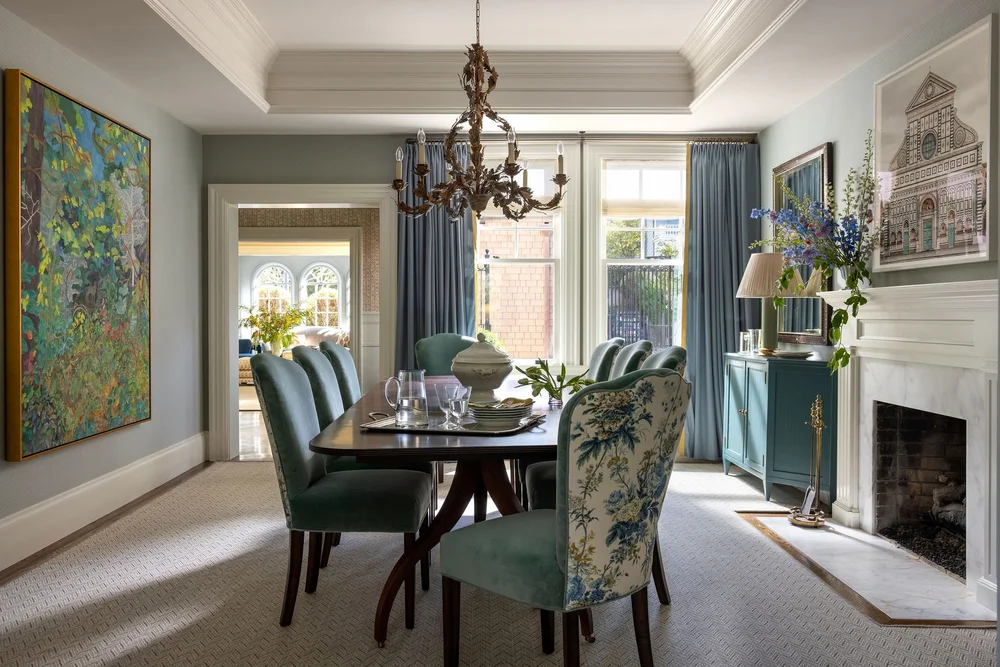
Sacramento isn't just a typical town where all buildings look similar. It's a city with multiple layers. It's old and modern. Modern, clean homes that are not far from old structures that've been around longer than any camera. The combination creates opportunities and also challenges.
The lighting here is bright, especially in the midday hours. Summers get bright, almost too bright. Shadows go deep. Highlights explode quickly. It is important to accept this, and not try to try to fight it. Mornings that are early can help. Late afternoons, even better. Sunset in Sacramento has a different effect when it bounces off warm toned materials such as brick and wood.A Sacramento Architectural Photographer who is aware of the city's environment isn't only about shooting the buildings. They first study the surroundings.
Start With Lines, Always Lines
Structure is the word used to describe architecture. Structure means lines. They are all there. Verticals have to remain upright. If your structures appear like they're slipping backwards, you've lost. That's why tilt-shift lenses earn their keeping, however if you do not have one, great. Just be careful not to get too sloppy. Make it right in post If you have to and be sure to know the goals you're shooting for while shooting.
Seek out the leading lines. The edges of staircases, hallways, and the corners of roofs. These are the things that guide a person's eyes whether they know it or they do. If you don't pay attention to them? They just stand there. Flat. Forgettable.
In some instances, I'll take an hour just wandering about a place, and not taking a single shot. Watching how lines connect. It's a bit like it's taking forever. It's slow. However, it is a good investment.
Light Is Everything (Yeah, Everyone Says That--Still True)
There is a chance to own the most beautiful home in Sacramento that is perfectly planned, with every inch of its time. However, bad lighting? It destroys everything.
Natural light is the best partner, up until the moment it's not.Midday sun can wreck interior shots. Too strong, too direct. The result is blown windows as well as dark corners. Make sure to shoot at a time when lighting is soft. Morning interiors are calm. Light from the evening brings warmth. It's not obvious, yet it transforms every aspect.
The quality of lighting is equally important. Do not just switch everything on and pray that it's working. Different lighting temperatures could create an unintended mess. Orange here, blue there. It appears odd. The people may not understand why however, they'll be able to feel it.A skilled home photographer is aware of the right time to take advantage of natural light, and when to manage it.
Composition Isn't About Being Fancy
There are times when people try to simplify things.Composition does not mean being creative to appear smart. It's about making the picture clear to read. Clean. Balanced.The process of centering is more common than most people realize. Particularly in the field of architecture. Symmetry seems solid. Intentional. Don't try to force it, If it's not there.
Negative space? Utilize it, but be careful not to overuse it. If you have too much space, the subject's weight decreases. Insufficient space and the subject is uncomfortable.Sometimes, the best shot can be the most simple. Straight forward. There are no tricks.
Interiors Need Breathing Room
If you're photographing interiors, particularly residential ones The biggest error is to try and show all of the details all at once.Find out the story behind the space. What is it? Is it sunlight? The design? The texture? Concentrate on those. All else falls to the side.
Wide shots are essential. Customers want to be able to view all of them. But what about detailed shots? There's where emotions live. The way light strikes the surface. The smoothness of a chair. The subtle reflection that appears in polished wood.
It's how an architect from Sacramento can distinguish their work from those who simply click through rooms.
Gear Helps, But It Won't Save You
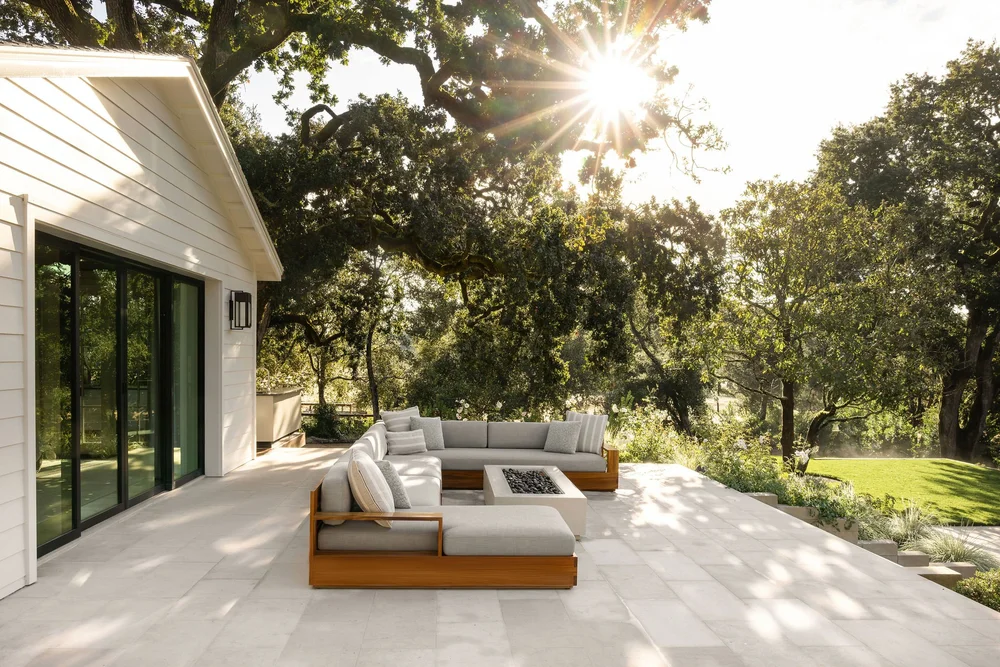
Let's discuss gear, briefly.It's not necessary to have the most costly setup anywhere in the world. But you do need control. A sturdy tripod is a must. Consistent framing, sharp images - it is important.
Wide-angle lenses are popular however, you shouldn't make them way too far. The exaggerated appearance may seem appealing at first glance however it alters real life. Customers are aware. Even if they aren't able to describe it.
Shoot in RAW. Always. There is a need for flexibility later on. Since you can alter your exposure, color and perspective. This is part of the process.But gear isn't magic. It's possible to give a novice an expensive camera for $5,000 and have bad pictures. The ability to perform is the first requirement.
Editing Is Where the Image Gets Finished
This is where most people are either too quick or careless about.Editing can enhance what's in place, and not change it.
Beginning with exposure. Make sure to balance the shadows and highlights to ensure that nothing is smashed or blown out. After that, you can move to colors. Make sure it's natural. If you have walls that are white, they should appear white, not blue and certainly not yellow.
Correction of perspective is essential to architectural projects. Straighten the lines. Make it look cleaner. The design should be precise even if the viewers don't pay attention to.
Don't be over-sharpening. It's tempting. It appears "crisp" for about two minutes, and then it appears fake.An experienced home photographer is aware of when it's time to end editing. This is the tough part.
Clients Care About Different Things Than You Do
It's true that it hurts just a bit.Your idea of the most successful shot could not be the thing that your client is interested in.
Architects might focus on design intent. Builders may want to emphasize the craftsmanship. Real estate agents? They simply want their space to appear attractive and sellable.So you adjust. It's not about your standards, but rather your goal.
Be sure to ask questions prior to shooting. What's the most important aspect of the project? What must stand out? You'll be amazed at how often photographers fail to do this, and wonder whether the customer isn't happy.Being a Sacramento photographer is not all focused on photography. It's about gaining an understanding of people.
Exterior Shots Need Patience
The exteriors of buildings are a bit tricky. A lot more complicated than most people imagine.It's a matter of the weather, changes in light and cars passing by, or people moving through your space. It's unpredictable.Sometimes you wait. Then you keep waiting. Then, wait longer.
The moment that the light strikes just at the right time? The moment doesn't last for long. You must be prepared to deal with it. Camera in with composition in place and the setting the exposure.
And, if you do not... then you can either return another day or accept something smaller. Most pros don't settle.
Consistency Builds Trust
If you're a professional photographer, consistency is more important than the one image that is great. Clients don't hire you for a single lucky shot. They choose your services because they require each image to be up to exacting standards.
Your editing style is constant. Your compositions appear to be deliberate. The exposure of your composition is controlled all over the place.It's not glamorous. However, it's reliable.It is the reliability that keeps customers returning.
The Difference Between Good and Memorable
There's a difference between the "good" photo and one that is memorable.An excellent photograph is technically sound. Straight lines, proper exposure, clean composition. It's a good job.A memorable one? It can make you stop. For a fraction of a second.
Perhaps it's because of the way that the lighting falls. It could be a minor element that pulls your attention. It could be the atmosphere.
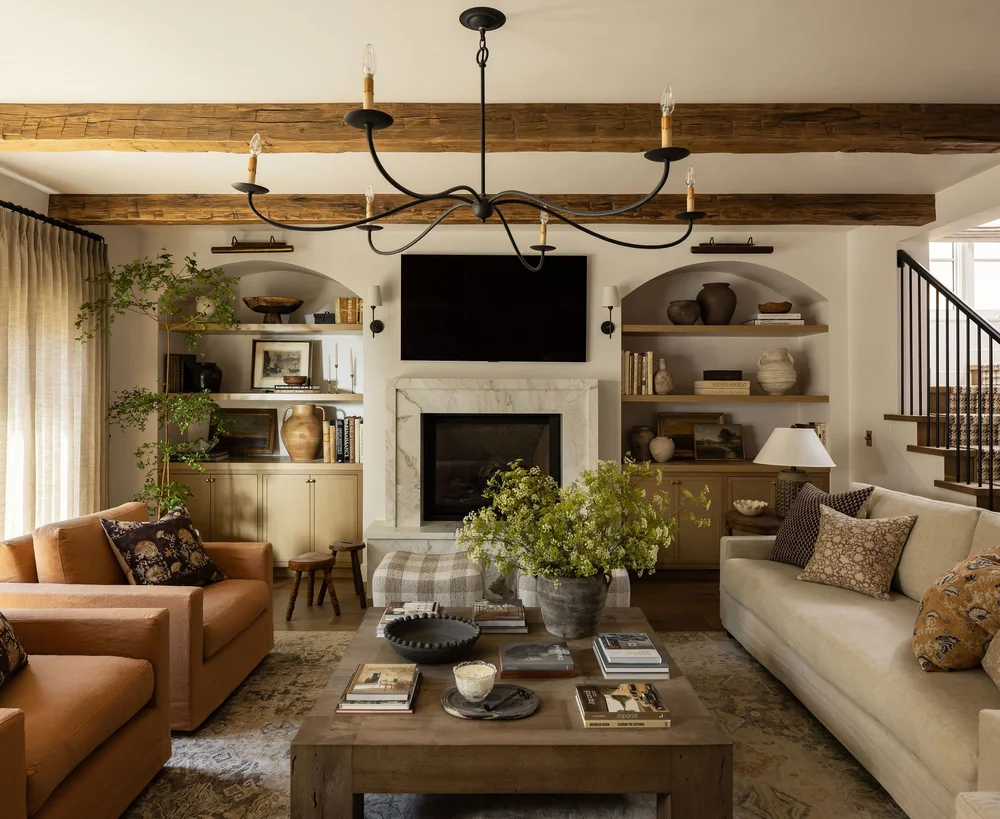
There is no way to force this. You can however create conditions. Be attentive. Reduce your speed. Avoid rushing through shoots in order to finish it. This extra time could give you the chance to take a shot that really is important.
FAQs
What is what a Sacramento Architectural Photographer actually does?
The Sacramento Architectural Photographer captures buildings as well as spaces in a way that emphasizes structure, design as well as the overall mood. The photography is more than just documenting, it's narrative that allows homeowners, builders, and architects homeowners to show off their projects.
The best timing to capture architectural shots in Sacramento?
Late afternoon and early morning is the best time to shoot. Light is softer and more direct, which creates depth, and also reduces the stark shadows that could ruin particulars.
Do I require expensive equipment to become a professional amateur photographer?
No. A good camera is useful however it cannot replace skills. The ability to recognize light, composition and timing is more important than having the latest cameras.
What is the importance of editing the field of architectural photography?
Very. Editing the photo improves it by adjusting the color, exposure as well as perspective. However, it must remain natural. Editing too much can cause spaces to appear unreal.
What's the most common mistake that beginners commit?
Rushing. It isn't time-consuming to examine the surroundings or understand the lighting or think about compositions. The speed of slowing down immediately improves the results.