
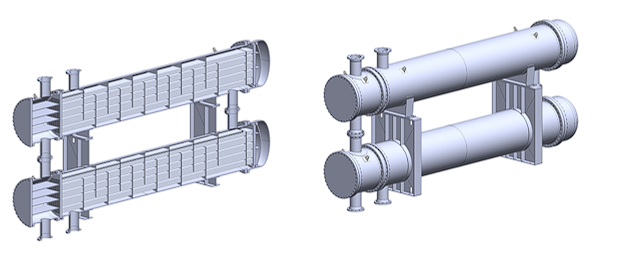
Why TEMA Still Shows Up in Serious Specifications
If you’ve been around refinery or petrochemical work long enough, you’ve seen it—TEMA classifications showing up in spec sheets like they’re non-negotiable. And most of the time, they are.
A tema heat exchanger isn’t just a label. It’s a shorthand for construction standards, tolerances, and service expectations that go way beyond basic design.
What TEMA Really Means on the Shop Floor
Here’s the thing—TEMA (Tubular Exchanger Manufacturers Association) standards weren’t written for theory. They came out of real operational failures, maintenance headaches, and lessons learned the hard way.
So when you see a heat exchanger built to TEMA standards, you’re not just buying equipment. You’re buying decades of field-proven design decisions baked into the unit.
That’s a bigger deal than most people think.
The Letter Codes Aren’t Just Alphabet Soup
You’ve seen the designations—BEM, AES, AET. Three letters that tell you everything about front head, shell type, and rear head configuration.
And yeah, they look simple. But each combination changes how the unit handles thermal expansion, maintenance access, and cleaning.
Pick the wrong one, and you’ll feel it later—usually during turnaround.
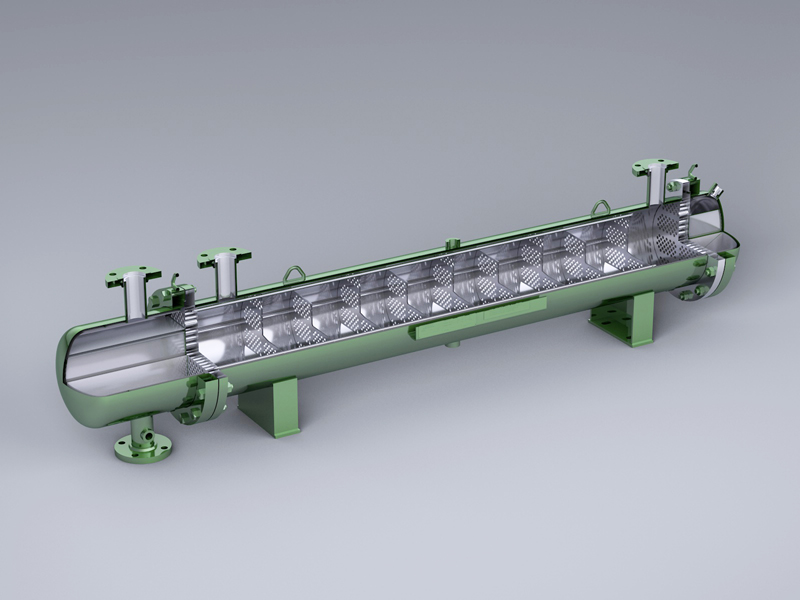
Fixed Tubesheet vs Floating Head: Where Decisions Get Real
A fixed tubesheet design is straightforward. Lower cost, fewer moving parts. But you’re committing to limited cleaning access on the shell side.
Floating head designs cost more upfront. No way around it. But they give you flexibility—pull the bundle, clean it properly, deal with fouling without fighting the equipment.
So the question becomes—are you optimizing for initial cost, or long-term operability?
Houston Conditions Change the Equation
Designing for a Gulf Coast plant isn’t the same as designing for a mild environment.
You’ve got humidity, salt air in some areas, temperature swings, and process conditions that don’t always behave nicely. Materials matter more. Clearances matter more.
And that’s where experience in Houston industrial equipment actually counts—because what works on paper doesn’t always hold up here.
Where Most Spec Sheets Fall Short
Most specs will tell you dimensions, materials, pressure ratings. That’s fine.
What they won’t tell you is how that unit behaves after five years of fouling, thermal cycling, and less-than-perfect maintenance intervals.
That’s where you either trust the design—or you don’t.
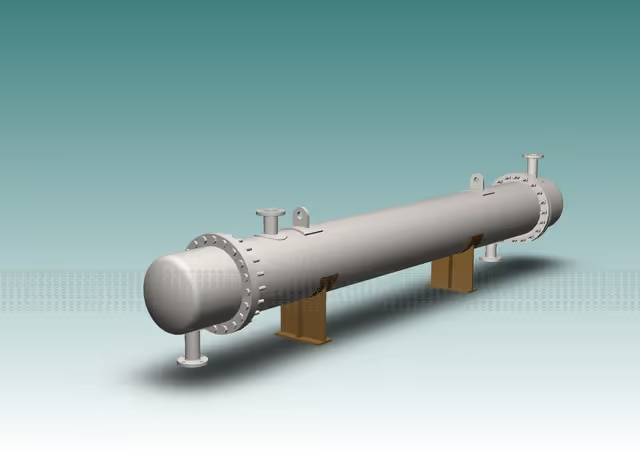
Inventory vs Lead Time: The Part Nobody Talks About
You can spec the perfect exchanger. You can run all the calculations. Get everything approved.
Then the unit fails, and suddenly you’re staring at a 20-week lead time.
Kinetic Engineering built their operation around avoiding that exact scenario. Stocking shell and tube heat exchangers, TEMA configurations included, right here in Houston—because waiting isn’t always an option.
When a Standard Isn’t Enough
Not every application fits neatly into a TEMA category. You already know that.
High fouling services, unusual fluids, tight footprints—sometimes you need modifications, or even a different type of exchanger altogether. Plate and frame heat exchangers, air cooled heat exchangers, even spiral designs.
And that’s where having access to a full product range actually matters. Not every problem gets solved with the same tool.
Mid-Operation Surprises Are the Real Test
You can plan everything right—and still get surprised.
Maintenance Reality: Access Changes Everything
Here’s something most people learn the hard way. Maintenance access isn’t a “nice to have.” It’s the difference between a one-day job and a week-long problem.
If you can’t pull the bundle easily, if clearances are tight, if connections are awkward—you’re going to pay for it later.
And usually during a shutdown window that’s already too short.
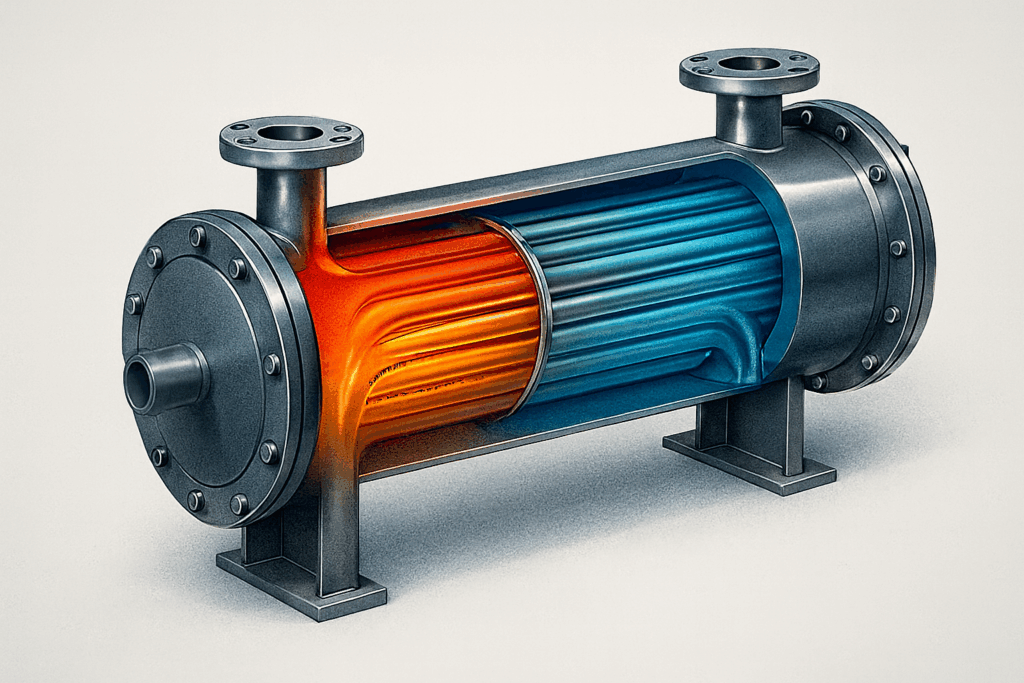
Why Longevity in Houston Actually Means Something
Kinetic Engineering has been doing this since 1969. That’s not just a number—it means they’ve seen multiple generations of plant design, equipment evolution, and operational changes across the Gulf Coast.
They’ve worked with legacy systems that newer distributors wouldn’t recognize. They understand how older TEMA units were built—and how to match or replace them without creating new problems.
That kind of continuity matters more than people admit.
Getting It Right the First Time
Look, nobody wants to revisit a heat exchanger decision six months after installation.
You want it sized right, configured right, and available when you need it—not when the factory decides it can ship.
If you’re working through a TEMA specification, evaluating replacements, or trying to avoid a bad call on a critical unit, Kinetic Engineering Corporation is the logical place to start. They stock it, they understand it, and they’ve been supporting Houston plants long enough to know what actually works.
FAQ
What does TEMA actually define in a heat exchanger?
It defines construction standards—dimensions, tolerances, configurations, and mechanical design features for shell and tube exchangers.
Are TEMA exchangers always required?
Not always, but in refining and petrochemical applications, they’re often specified for reliability and consistency.
How do I choose between different TEMA configurations?
It depends on cleaning needs, thermal expansion, and service conditions. Fixed tubesheet is simpler. Floating head gives more flexibility.
Can I replace a non-TEMA unit with a TEMA design?
Yes, but it needs to be evaluated carefully—dimensions, connections, and performance all have to line up.