
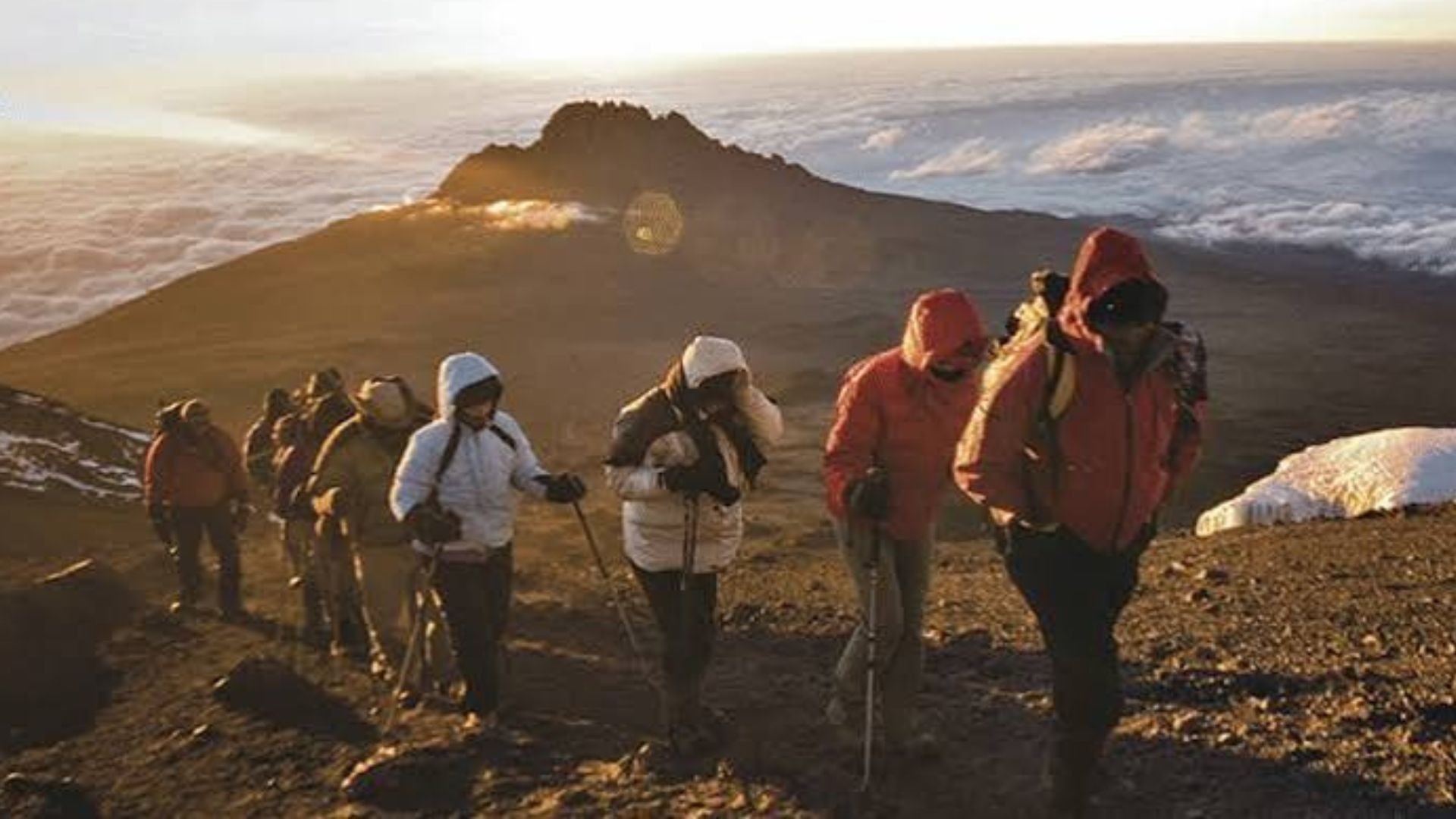
Most write-ups about Everest Base Camp trekking focus on numbers. 5,364 metres. Twelve days or so. Five to seven hours of walking a day. Those facts matter, but they leave out the part that most trekkers end up talking about afterwards: the people.
The Khumbu isn’t an empty wilderness. It’s a living valley with villages, monasteries, schools, tea houses and families whose lives are tied to the mountain in ways visitors rarely see until they’re there. Here’s what the human side of the trail looks like, and how to be a thoughtful guest in it.
Who Are the Sherpa?
The word gets used loosely, so let’s start there. Sherpa is the name of an ethnic group that has lived in the high Himalaya for centuries, with roots in Tibetan culture and Buddhist practice. In the outside world, “Sherpa” has also become shorthand for a mountain worker, which is a different thing. Many Sherpa people do work as guides, climbers and porters, but they’re also farmers, traders, teachers, lodge owners and monks.
Keeping that distinction in mind changes how you see the trail. You’re walking through a homeland, not a theme park.
Kathmandu: Where the Story Begins
Many trips start in the Kathmandu Valley, and it’s worth giving it real time. It’s one of the oldest continuously inhabited cities on Earth, and it holds seven UNESCO World Heritage Sites.
Boudhanath’s great stupa, with its painted eyes and circling pilgrims, is a good place to understand what’s coming. Swayambhunath looks over the city from a hilltop. Pashupatinath, on the Bagmati River, is Nepal’s most sacred Hindu temple complex, where cremation rituals have taken place for centuries. These places show how religion and daily life blend in Nepal, and they prepare you for the Buddhist culture of the high valleys.
The Trail Is a Village Road
Once you leave Lukla, the path follows ancient routes that locals still use every day. You’ll share it with yaks, porters carrying astonishing loads, children walking to school and traders heading to market.
A few habits make the experience smoother. Step to the uphill side when a yak train passes, so you’re not nudged toward a drop. Walk clockwise around mani walls, stupas and prayer wheels, which is the traditional direction. Greet people with a smile and a “namaste.” These small gestures matter more than you’d think.
Namche Bazaar: The Sherpa Capital
Namche, at 3,440 metres, is the first place that feels like a real town. Built into a horseshoe-shaped hillside, it has bakeries, gear shops, cafés and a busy Saturday market. It’s where many trekkers spend an extra night to acclimatise.
It’s also a good place to talk to people. Shop owners, café staff and lodge hosts have seen thousands of trekkers come and go, and many have stories about the mountain, their families and how the valley has changed. Ask questions with genuine curiosity and you’ll often get generous answers.
Monasteries and Mountain Faith
Buddhism runs through everything in the Khumbu. Prayer flags snap on every ridge, carved mani stones line the paths, and monasteries mark the landscape.
Tengboche Monastery is the region’s most important spiritual centre, set beneath the great shape of Ama Dablam. Visiting during a ceremony, when monks chant and play long horns, is a moment many people say stays with them. Dress modestly, remove your shoes where asked, keep your voice low and don’t photograph inside unless you’ve been told it’s fine.
Further along, Khumjung’s monastery is known for a relic said to be a yeti scalp, which draws curious visitors. Whether you believe the legend or not, it’s a good reminder that the mountains hold stories alongside the scenery.
The Weight of Everest
It’s impossible to talk about the human side of Everest without acknowledging the cost. The mountain has taken many lives, and a large share of them have been Sherpa climbers and mountain workers who take on the greatest exposure so that others can summit.
Many Sherpa families have lost someone, and the community lives with that reality. Trekkers who approach with humility, rather than treating it as a sporting challenge, tend to connect better. It also helps to support operators that give back. Some invest in organisations such as The Juniper Fund, which supports mountain workers and their families, and in efforts to improve working conditions for Nepalese guides.
Meeting the Climbers
One of the unusual joys of this route is the chance to meet people who have lived the mountain’s history. Kami Rita Sherpa, known as “Everestman,” has stood on the summit more times than any other person, with more than thirty ascents, and he also holds the record for the most climbs of peaks above 8,000 metres. He was born in the Khumbu, among generations of Sherpa mountaineers.
Walking with someone like that turns facts into stories. You hear about how climbing has changed, how families make decisions and what the mountain means to people who grew up beneath it. Even trekkers who never meet a record-holder often find the guides on the trail to be warm, funny and deeply knowledgeable.
Lodges, Tea and Evening Life
Evenings in the Khumbu are social. After a day of walking, trekkers gather in dining rooms around a stove, drinking tea, playing cards and comparing blisters. Lodge owners and staff are part of that circle. Many are from families who’ve run tea houses for generations.
At the more comfortable end, a base camp Everest trek can include properties such as Hotel Everest View, built in 1971 and looking straight at the Everest massif, and well-run lodge networks with heated blankets and private bathrooms. Either way, the best evenings are the ones spent talking, not staring at a phone.
Hillary’s Legacy
Everest Base Camp is the starting point of the south-side climbing route, first used by Sir Edmund Hillary and Tenzing Norgay in 1953. Their partnership is a reminder that the story of Everest was never one person’s. It was always a collaboration between climbers and the Sherpa community.
Standing at Base Camp, you’re at the edge of that history. In spring, the glacier fills with expedition tents, and some itineraries even offer a night inside a working camp, which gives a rare glimpse of life among the climbers preparing for the summit.
Being a Good Guest
A few principles go a long way:
- Ask before photographing people, especially monks and elders.
- Carry out your rubbish. Waste is a real problem at altitude.
- Pay fairly and avoid bargaining aggressively with people who earn little.
- Respect sacred sites by following local customs.
- Choose operators carefully, looking for fair wages, training for staff and genuine community support.
Conclusion
Everest Base Camp trekking is often sold as a physical challenge, and it is one. But the part that lasts is usually human: a conversation in Namche, a chant at Tengboche, a shared pot of tea with a guide whose family has lived in the Khumbu for generations.
True Summit Adventures runs a luxury Everest Base Camp trek led by Kami Rita Sherpa, combining Kathmandu’s heritage sites, high-quality lodges, a helicopter return and time with some of Nepal’s most respected mountain people. You can see the full itinerary on the Everest Base Camp trek.