
What Architectural Photography Is and Why It’s Misunderstood
Most people assume shooting buildings means walking in, pulling out a wide lens, pressing the shutter. Snap. Finished. Truth? It never works like that. Nowhere near. Actual architecture photos demand command. Over light, over sightlines, over when you shoot, how you stand - everything clicks only if shaped on purpose.
Hiring a Sacramento architectural photographer means buying more than images. It means getting eyes that see how sunlight moves through walls. Yes, it sounds intense - yet accurate. Structures shift as hours pass. Dawn plays unlike dusk. Out of the corner, shadows grow longer, pulling shapes across surfaces. Lines move when light changes direction. Reflections show up in places you never thought to look. Without seeing how those pieces connect - your pictures lose weight. They settle into the pile of ordinary real estate shots. Forgotten before they’re seen.
Sacramento Light Is Unique
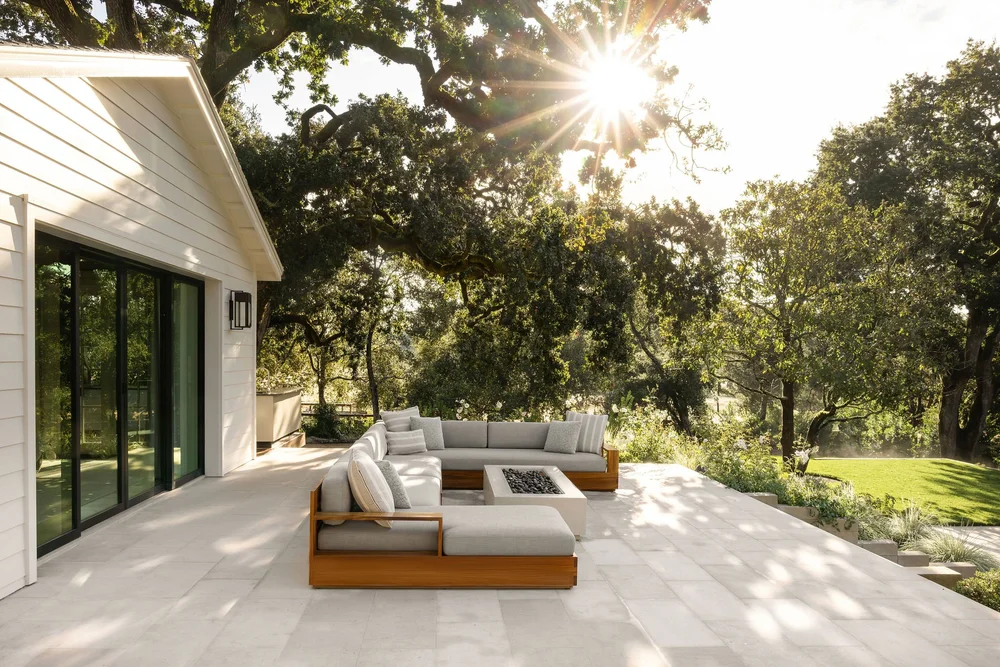
Light in Sacramento plays by its own rules. Not sharp like in dusty towns, nor gentle like near the ocean. It hovers oddly in the middle ground. This is where knowing more helps. Someone who has shot buildings here for years can tell if the glow outside will work - or if it fights back.
Noon often brings trouble. Flatness takes over. Sunrise, or what some call golden hour - this is when everything begins to work. Yet patience shows up too. Sometimes standing still. One time I stayed outside a building for sixty minutes, doing nothing but following how shade crawled along the wall. Might seem dull, yet it belongs to the routine. Either you pay attention to sunlight, or sunlight decides to wreck your photos.
The Gear Matters Even If It Does Not Define The Photographer
Truth sits quiet here - tools count. Yet not like most believe. A five thousand dollar camera will not turn anyone into a skilled shooter. Instead it offers sharper ways to stumble. The real difference comes from understanding what you hold.
Take tilt–shift glass. One odd angle can change everything. Some folks have never heard of these gadgets at all. Yet when it comes to architecture? Totally necessary. They make sure walls stay perfectly upright. So nothing looks slanted by mistake. Out there in Sacramento, good photographers handling building shots just grab them automatically. Feels like breathing after a while. Sure, once in a while a photo still goes off track. That’s normal. Tweak things. Then try again.
Composition Is Where the Real Work Happens
This one thing rarely gets attention. Placement matters. Your position. The pieces you choose to show. The parts you ignore. Perfect light exists, yet the photo feels flat when arrangement fails.
Not about putting it all in the middle. Rules do not fix it. Comes from feeling, not formulas. Edge of a window slicing through the image. That pole sticking up where it shouldn’t. A shadow falling wrong, somehow. They pull at your eye. Someone who shoots homes in San Diego, buildings mostly, spots these right away. Nearly without trying. Pausing too long isn’t an option. Often you sense it first - then press the button.
Interior Spaces Are a Different Beast
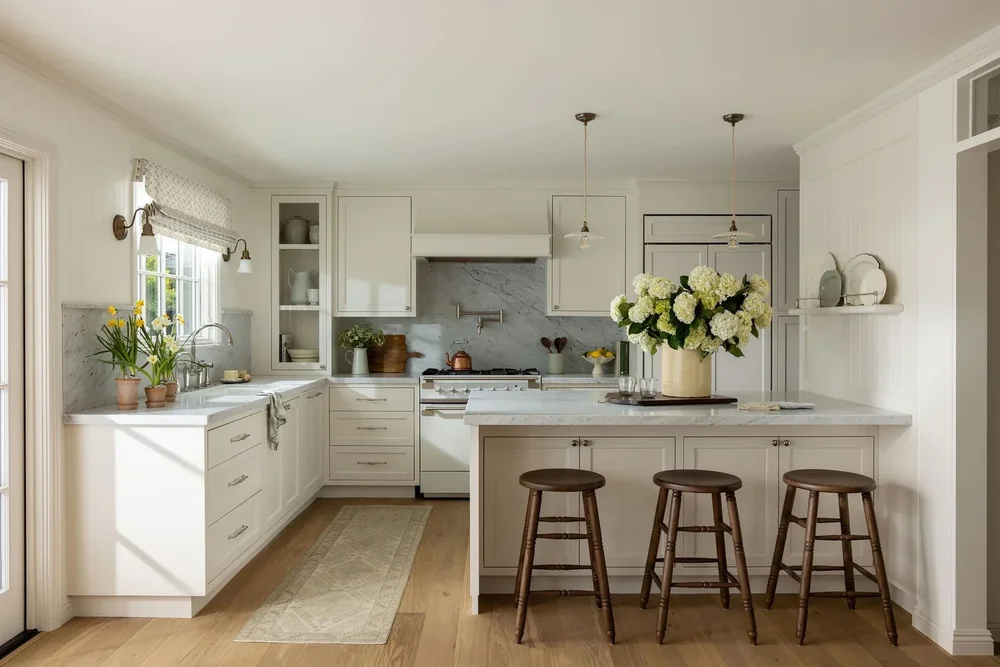
Out here, eyes stick to walls and roofs. Inside though - suddenly it’s a puzzle. Light spills in through glass during daytime. Overhead fixtures kick in at night, colors never quite lining up. Corners squeeze tight. Mirrors, tiles, screens - they throw brightness back in your face.
The sun works one way. Lamps work another. Together? A tangled mix. Light that feels cozy fights with light that feels sharp. Getting them to work together needs time. Honestly, some attempts will fail before one works. Someone photographing homes in San Diego learns ways to mix different lighting levels. They tweak color tones so nothing looks fake. The goal is truth, not tricks. Reality matters more than effects. What you see should match what stands inside the walls.
Editing Is Just Part of How Things Get Made
Some folks think tweaking photos feels dishonest. As though everything must work right the first time - or else it's broken. That belief doesn’t hold up. The real shape of a picture often comes later. Not born fully formed - just shaped.
Lines tilt into place. Hues shift toward truth. Light settles evenly. Tiny things that pull attention just fade out. Every step fits into how things get done. Not leaning on edits to save shots, a skilled architectural photographer in Sacramento still knows when to refine. Strong photos come first, yet careful adjustments matter just as much. Leave out either piece, the result loses something. Missing one weakens what you see in the end.
Working With Clients Isn't Always Smooth
Truth is, this topic rarely comes up. People often aren’t sure about their own preferences. Sometimes they believe they are clear, yet it falls apart when trying to show it. Instructions come through fuzz - phrases such as “give it energy” or “show the feeling.” Right… but how should that actually look?
Communication steps in right here. Questions come first when someone knows their work. Expectations get shaped through talk, maybe even some pushback now and then. Pressing a button? That’s not all a San Diego home photographer does. The real job involves steering things quietly behind the scenes. Awkward moments might pop up - truth is, they do once in a while.
Timing Shoots Around Real Life
Still, snapping a building seems straightforward - after all, it just sits there. Yet things rarely stay clean. A truck pulls up out front, blocking half the facade. Someone crosses mid-shot, unaware. Scaffolding pops up overnight. Rain rolls in when skies were clear an hour before. Each detail shifts how the image turns out.
Thought ahead? Good. That covers some ground. Not all of it. A good photographer in Sacramento shifts when needed. Try a different view instead. Or wait until tomorrow works better. Not every fix fits neatly into plans, yet it happens often. Being ready to adjust counts more than most assume.
Consistency Over A Single Great Moment
Most people snap a single great picture now and then. Sure. A moment lines up, the sun hits just so - magic appears. Yet doing that week after week? That sets some apart.
Steady results. A whole batch of solid work, never relying on one highlight. Most folks want consistency. Someone who shoots houses in San Diego sticks to the full set. Each photo matters. Even the ones that aren’t front and center. Sounds dull, sure, yet it makes all the difference.
The Business Side - It’s More Than Just Creativity
Picture-taking might feel like art. Yet behind every shot sits numbers, schedules, pressure. Talent alone won’t pay bills when invoices go unpaid. Someone who shoots buildings in Sacramento knows how balance works.
They handle cameras, yes - though paperwork matters just as much. On schedule, every single time. What they promise arrives exactly then. Clear words. Nothing fancy - yet somehow rare. People notice when things actually work. Just like the photos, trust sticks around.
Sacramento and San Diego Face Separate Issues
Out here, capturing homes in Sacramento feels nothing like doing it down south. Way up north, structures stand shoulder to shoulder - worn bricks beside glass towers. Down in San Diego? Think wide skies, salt air shaping design, rooms flooded with daylight. Light bounces off everything, windows glare, shadows shift fast.
The rhythm changes too. Upstate shooters adapt to cramped streets, layered textures, and uneven lighting. Southern photographers chase clarity under harsh sunbeams. Neither one's easier. Each demands its own kind of patience. One needs a unique way of handling things. Trying to repeat what you did elsewhere usually fails when moving between places.
Final Thoughts Without Fluff
Photography of buildings takes work. From far away, it seems straightforward, yet plenty happens out of view. Lighting matters, just like how things are arranged, when shots happen, adjustments after, talking with those who hire you - everything adds weight.
When commitment shows, attention shifts to tiny elements. Things others might overlook. Most people miss the small details that make photos memorable. What matters isn’t just who takes the picture - maybe someone from Sacramento focused on buildings, or another person in San Diego capturing homes - but how they see it. Strong images pull you back without trying too hard. They seem honest, built with care, not staged for speed. A moment stays longer when it looks like life, not performance.
FAQs
What Sacramento Architectural Photographers Do?
Buildings come alive through the lens of a Sacramento architectural photographer. Not merely snapping pictures, but shaping how spaces reveal their soul. Light bends around corners, showing form with intent. Accuracy pairs with imagination to tell each structure’s story differently every time. What looks still holds motion when seen right.
San Diego home photographer differences?
Light in San Diego homes tends to be sharp, wide, full of sky. Coastal air shapes how rooms feel, how walls catch glow. A local shooter frames living moments, not just corners or ceilings. Flow matters - how space moves, breathes, connects. Skills cross paths with other regions, yet choices shift subtly here.
When is the best time to shoot architectural photos?
Sunrise light tends to be soft, while evening brings warm tones. When the sun sits high, shadows grow sharp unless clouds soften the scene.
Do photographers edit all their images?
True, changes happen along the way. Fixing angles comes first, then tweaking brightness follows. The goal stays clear - photos should reflect how a place really seems.
How long does an architectural shoot take?
Some jobs wrap up fast. Others stretch longer - it really comes down to what needs doing. A small spot could be done by lunch. Bigger places? They eat up time, sometimes stretching past sunset.
What makes someone choose an expert over tackling it alone?
Truth is, good light changes everything. Someone who does this work knows how shadows fall, where to stand, what settings shift the eye without notice. Little choices shape what you see in the end.