
Los Angeles plays an important role in international trade. Businesses across the United States use its ports, transportation networks, and warehouse facilities to move imported products into domestic markets and send goods to international destinations.
For importers, manufacturers, and distributors, managing these shipments involves more than transportation and storage. Customs procedures, inventory tracking, and delivery planning also need attention. This is where Foreign-Trade Zone (FTZ) warehousing can become useful.
Understanding how a Los angeles FTZ warehouse operates can help businesses make better decisions about storing, handling, and distributing imported goods.
Why Los Angeles Is Important for International Trade
Los Angeles is a major gateway for goods entering and leaving the United States. The Port of Los Angeles and the nearby Port of Long Beach handle large volumes of international cargo.
These ports connect businesses with suppliers and customers around the world. Once goods arrive, they need to move through transportation networks to warehouses, manufacturing facilities, distribution centers, and final destinations.
Southern California also has an established logistics network, including trucking, rail connections, and warehouse facilities. This makes the region an important location for businesses managing international shipments.
For companies importing products in large quantities, having access to suitable warehouse facilities can help organize inventory and plan the next stage of distribution.
What Is an FTZ Warehouse?
A Foreign-Trade Zone (FTZ) is a designated area in the United States where eligible imported goods can be received, stored, handled, or processed under special customs procedures.
An FTZ warehouse is an authorized facility used for permitted activities involving these goods.
One important feature of an FTZ is that certain customs duties may be deferred while eligible goods remain in the zone. When goods enter the US market, applicable customs procedures and duties must be addressed. Eligible goods exported from the zone may receive different customs treatment.
An FTZ does not automatically eliminate duties or remove customs requirements. Businesses must follow the rules that apply to their products and activities.
How Los Angeles FTZ Warehousing Works
The process generally involves several connected steps.
1. Imported Goods Arrive at the Port
Products arrive through the Port of Los Angeles or the Port of Long Beach. The importer and its logistics partners coordinate the required shipment information, customs procedures, and transportation arrangements.
2. Goods Move to an Authorized FTZ Facility
After the required arrangements are completed, eligible goods can move to an authorized FTZ facility. Transportation providers coordinate cargo collection and delivery.
The facility must be authorized for the activities it performs, and the movement must follow applicable customs procedures.
3. Inventory Is Recorded and Stored
When products arrive, warehouse staff record quantities, product descriptions, and storage locations.
Inventory tracking is important because FTZ operations require accurate records of goods entering, moving through, and leaving the facility.
4. Goods Are Prepared for Their Next Destination
Depending on the facility's authorization, goods may be stored, sorted, repacked, or processed through other permitted activities.
Products may later enter the US market or be exported to another country. The applicable customs procedures depend on the goods and their destination.
Benefits of FTZ Warehousing for Los Angeles Businesses
Potential Duty Deferral
Businesses may be able to defer certain customs duties while eligible imported goods remain in an FTZ. This can help with cash flow by changing when applicable duties are paid.
The actual financial benefit depends on the products, customs classifications, and how the goods are handled.
Support for International Distribution
Companies that import products and later export them may find FTZ operations useful. An authorized facility can provide a place to manage eligible goods before they continue to international destinations.
Better Inventory Management
FTZ operations require detailed inventory records. When supported by reliable warehouse systems, these records can help businesses track product quantities, storage locations, and shipment movements.
Support for Manufacturing
Some businesses use approved FTZ operations to manage imported materials and components used in manufacturing. This can help coordinate incoming supplies with production schedules.
The planned activities must be covered by the relevant authorization and meet applicable requirements.
The Role of Southern California FTZ Facilities in Logistics
A Southern California FTZ facility is part of a wider supply chain. Its location, warehouse capacity, transportation access, and inventory systems all affect how efficiently goods move.
For example, a business importing electronic products may receive shipments through the Port of Long Beach, store eligible goods at an authorized facility, and later distribute them to customers across California.
Coordinating transportation, storage, and distribution is important throughout this process.
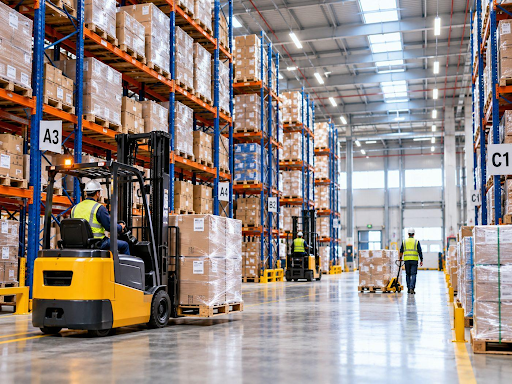
Businesses can also evaluate 3PL distribution services when they need support with warehousing, inventory handling, and transportation planning.
However, companies should verify that the selected provider has the required FTZ authorization and capabilities. General warehousing experience does not automatically qualify a facility to handle FTZ goods.
What Should Businesses Consider When Choosing an FTZ Warehouse?
Before selecting a facility, businesses should review several important factors:
- Location: Consider access to the Port of Los Angeles, Port of Long Beach, major roads, and customer markets.
- Warehouse capacity: Confirm that the facility can handle your expected inventory and shipment volumes.
- Inventory systems: Ask how products and warehouse movements are recorded and monitored.
- Security: Review how the facility controls access and protects stored goods.
- Authorization: Confirm that the facility is approved for the activities your business requires.
- Transportation: Understand how incoming cargo and outgoing shipments will be coordinated.
- Compliance support: Clarify who manages required records, reporting, and customs-related responsibilities.
These checks help businesses compare facilities based on their actual logistics needs rather than location alone.
How FTZ Warehousing Fits Into California FTZ Logistics
California FTZ logistics involves coordinating several activities, including port transportation, warehouse receiving, inventory management, customs procedures, and final distribution.
Each stage needs to work together. A delay in transportation can affect warehouse receiving, while inaccurate inventory records can create problems when preparing outgoing shipments.
Businesses should establish clear responsibilities between importers, warehouse operators, transportation providers, and customs professionals.
A well-organized process helps companies maintain better shipment visibility and manage their imported inventory more effectively.
Conclusion
Los Angeles plays an important role in international trade because of its ports, transportation connections, and established warehouse network. For eligible businesses, FTZ warehousing may provide a useful way to manage imported goods under special customs procedures.
However, choosing the right facility requires more than finding warehouse space near the ports. Businesses should review authorization, inventory systems, transportation access, security, and compliance requirements.
For companies involved in importing, manufacturing, and distribution, understanding how FTZ warehousing works is an important step toward building a more organized supply chain.
To learn more about warehousing, fulfillment, and logistics support in California, visit Bee Imagine.