
There’s nothing many homeowners would rather avoid than septic tank pumping in Savannah GA – that is, until the need becomes unavoidable. But by the time it happens, it’s often too late, and the situation spirals into a major crisis.
This is not an uncommon scenario – it’s one I’ve seen too many times. People take the warning signs lightly – perhaps even try to rationalize their absence at the onset of a problem. But the reality is simple – septic tanks do not repair themselves. It’s only a matter of time until something breaks.
So let’s peel back the layers. This is not a clinical approach, mind you, but a practical one. We’re talking about the causes of a backup that will prompt someone to call a septic pump service.
When a Backup Occurs (It Doesn’t Happen Out Of Thin Air)
Backup problems don’t arise out of thin air. There are always warning signs beforehand. You may notice gurgling sounds coming from your toilet occasionally. Perhaps the water from your shower is slower to drain away.You brush it off. Life’s busy.
Then one day—boom. Everything backs up at once.
That’s how it usually goes.
Savannah is not particularly supportive when it comes to environmental conditions. The soil retains water after the rain has passed. If the ground becomes saturated with water, your drain field cannot do what it needs to. Therefore, the wastewater must travel back the only way possible—to you!
Not a great situation.
Overdue Pumping (The Big One)
Let’s be honest here. Most backups happen because the tank is just… full. That’s it. No mystery.
People forget about their septic system. Or they think pumping is optional. It’s not.
Over time, solid waste builds up inside the tank. There’s only so much space. Eventually, it fills past capacity. When that happens, wastewater doesn’t separate like it should. Solids start moving into the drain field, clogging everything along the way.
And once that happens, you’re not just dealing with a simple pump-out anymore. You’re looking at bigger problems.
Regular septic tank pumping in Savannah GA could prevent a lot of this. But people wait too long. Every time.
What You’re Flushing (Yeah, It Matters)
Here’s where things get a little frustrating. People treat their drains like trash cans.
Grease goes down the sink. “Flushable” wipes go down the toilet. Paper towels. Hygiene products. Even chemicals. All of it ends up in your septic tank.
And guess what? Most of that stuff doesn’t break down properly.
Instead, it builds up faster. Thick sludge forms. Pipes start clogging. Flow slows down. Then it stops altogether.
Even those wipes labeled “safe” can cause issues. They don’t dissolve the way toilet paper does. They hang around. They tangle. They block things up.
So yeah, what you flush plays a big role in backups before septic tank pumping becomes necessary.
Drain Field Problems (The Hidden Issue)
This one’s trickier. You don’t always see it coming.
Your drain field is supposed to absorb and filter wastewater after it leaves the tank. But when it fails, everything backs up—fast.
In Savannah, heavy rain can oversaturate the soil. When that happens, the drain field can’t absorb anything. It’s like pouring water into a sponge that’s already soaked.
Other times, roots from nearby trees sneak into the pipes. They grow slowly, quietly. Then one day, they block the flow completely.
Or the soil itself gets compacted over time. Maybe from vehicles driving over it. That reduces its ability to absorb water.
Whatever the cause, once the drain field stops working, pumping alone won’t fix it. It might buy you some time. But the issue will come back.
Too Much Water Use (People Don’t Think About This)
You’d be surprised how often this causes problems.
Running laundry all day. Long showers. Dishwashers going back-to-back. It adds up.
Septic systems are designed to handle a certain amount of water. When you overload them, they can’t keep up. The tank fills faster than it should. The drain field gets overwhelmed.
And once that balance is off, backups start creeping in.
It’s not about never using water. Obviously. But spreading usage out? That helps more than people think.
Lack of Maintenance (Or None at All)
This ties into everything.
No inspections. No pumping schedule. No idea how the system even works. That’s where most homeowners are at.
And look, it’s not entirely their fault. Septic systems are out of sight, out of mind. Until they aren’t.
But skipping maintenance is like ignoring your car’s oil changes. You might get away with it for a while. Then one day, it breaks down. And it’s not cheap.
Routine septic tank pumping in Savannah GA keeps things in check. It catches problems early. Before they turn into emergencies.
The Smell (You Know the One)
If you’ve smelled it, you know.
That rotten egg, sulfur-type smell? That’s septic gas. And when it’s strong, something’s off.
Sometimes it’s a venting issue. Other times, it means your tank is too full. Or worse, it’s leaking.
Either way, it’s a warning sign. One person tends to ignore or try to cover up.
Air fresheners don’t fix septic problems. They just delay the inevitable.
When Pumping Isn’t Enough
Here’s the part people don’t like hearing.
Sometimes, septic tank pumping won’t solve the problem. Not completely.
If your drain field is damaged, or pipes have collapsed, or roots have taken over—pumping just empties the tank temporarily. The issue is still there.
You might get a few days. Maybe a few weeks. Then the backup comes right back.
That’s why it’s important to understand the cause. Not just treat the symptom.
What Happens During Pumping (Quick Reality Check)
If you’ve never seen it, it’s not exactly glamorous.
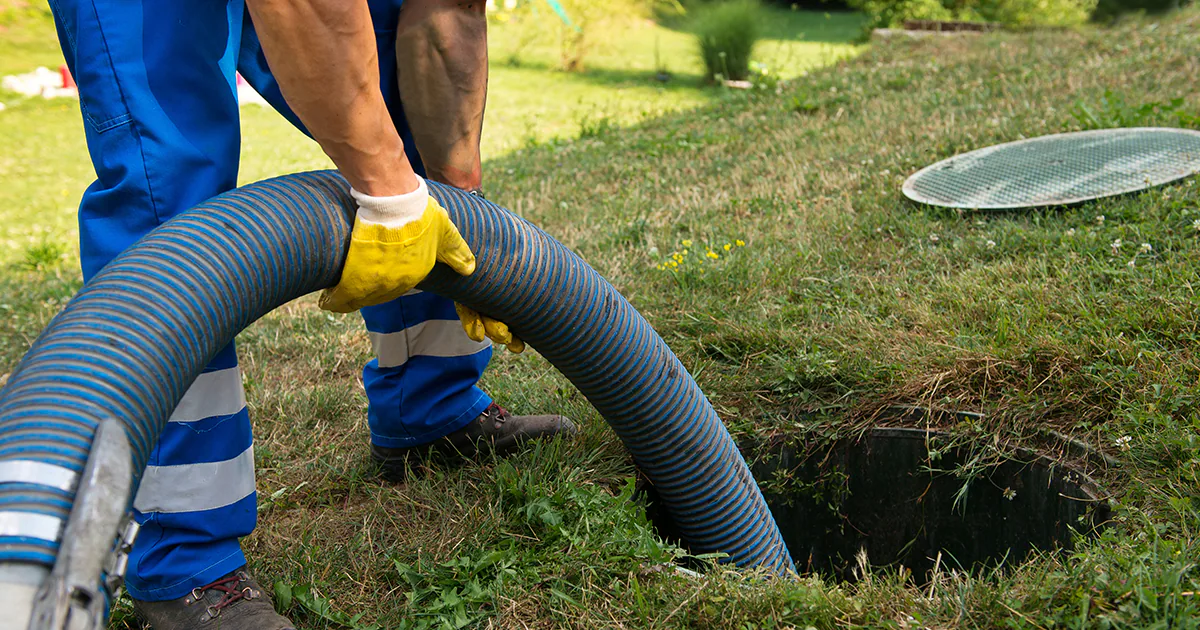
A truck shows up. Hoses get dragged out. The tank gets emptied. Simple enough on the surface.
But a good technician will do more than just pump. They’ll check the tank condition. Look for cracks. Inspect levels. Notice things most people wouldn’t.
They might tell you everything’s fine, just overdue. Or they might spot something bigger.
That’s the difference between a quick fix and a real solution.
Why Savannah Homes See This More Often
There’s a local factor here.
Savannah’s climate plays a role. High humidity. Frequent rain. Soft soil in many areas. All of that affects how septic systems perform.
When the ground stays wet, drain fields struggle. When storms hit, systems get overwhelmed.
It’s not impossible to manage. But it does mean maintenance matters more here than in drier areas.
Ignore that, and backups become a regular thing.
Protecting Your Home When It Happens
When a backup hits, it’s not just about fixing the tank anymore. You’ve got contamination inside your home.
Sewage isn’t harmless. It carries bacteria, viruses, all kinds of nasty stuff.
Keep kids and pets away. Ventilate the space if you can. Use protective gear if you’re cleaning anything up.
It’s not just unpleasant. It can be dangerous.
After It’s Fixed (Don’t Just Forget It)
This is where people mess up again.
Everything’s working. Drains are clear. The smell is gone. So they move on.
Big mistake.
This is the time to ask questions. Figure out what caused it. Was the tank overdue? Was something flushed that shouldn’t be? Is the drain field struggling?
A good technician will tell you straight.
And if they suggest changes—listen. That advice saves you from going through the same mess again.
The Cost Side (Yeah, It Adds Up)
Let’s not sugarcoat it.
Emergency septic work costs more. Pumping alone might be manageable. But if there’s damage? Repairs stack up fast.
Still, waiting makes it worse. What could’ve been a simple pump-out turns into a full system replacement if ignored long enough.
That’s a serious expense.
So yeah, prevention isn’t just easier. It’s cheaper.
Staying Ahead of the Problem
Once you’ve dealt with a septic backup, you don’t forget it.
The smell alone sticks with you.
Regular inspections help. Pumping on schedule helps more. Being careful about what goes down your drains—that’s probably the biggest one.
And pay attention to your yard. Soggy spots. Strange smells. Slow drains. They’re all signs.
The system talks. You just have to listen.
Conclusion
Septic problems don’t show up for no reason. They build over time. A little neglect here, a bad habit there, and eventually the system gives out.
If you move fast, stop water use, and get help when things go wrong, you can limit the damage. But the real win is avoiding the situation altogether.
Because in the end, it’s not just about fixing backups. It’s about understanding what caused them and changing how you deal with your system going forward.
That’s where smart Septic Tank Pumping decisions actually make a difference.