
Pigeon spikes for roofs offer a practical, lasting way to stop birds from landing, roosting, and nesting on rooftops. They work by making surfaces unstable without harming the birds, cutting down on droppings, damage, and cleanup. Homeowners and property managers often choose them for their low upkeep and solid results over years, especially against stubborn pigeons that return season after season.
Why Do Pigeons Keep Coming Back to Roofs?
Pigeons love a good roof. Flat edges, ridges, gutters – they treat them like free real estate. Once a few settle in, more follow. Droppings pile up, acidic stuff that eats into paint, metal, even tiles over time. Nests block drains, mess up solar panels if you’ve got them, and the noise? Constant cooing and flapping at dawn. I’ve seen roofs where the mess got so bad people were calling cleaners every few months. That’s not cheap, and it never really ends until you stop the birds from landing in the first place.
How Do Pigeon Spikes for Roofs Prevent Birds From Landing?
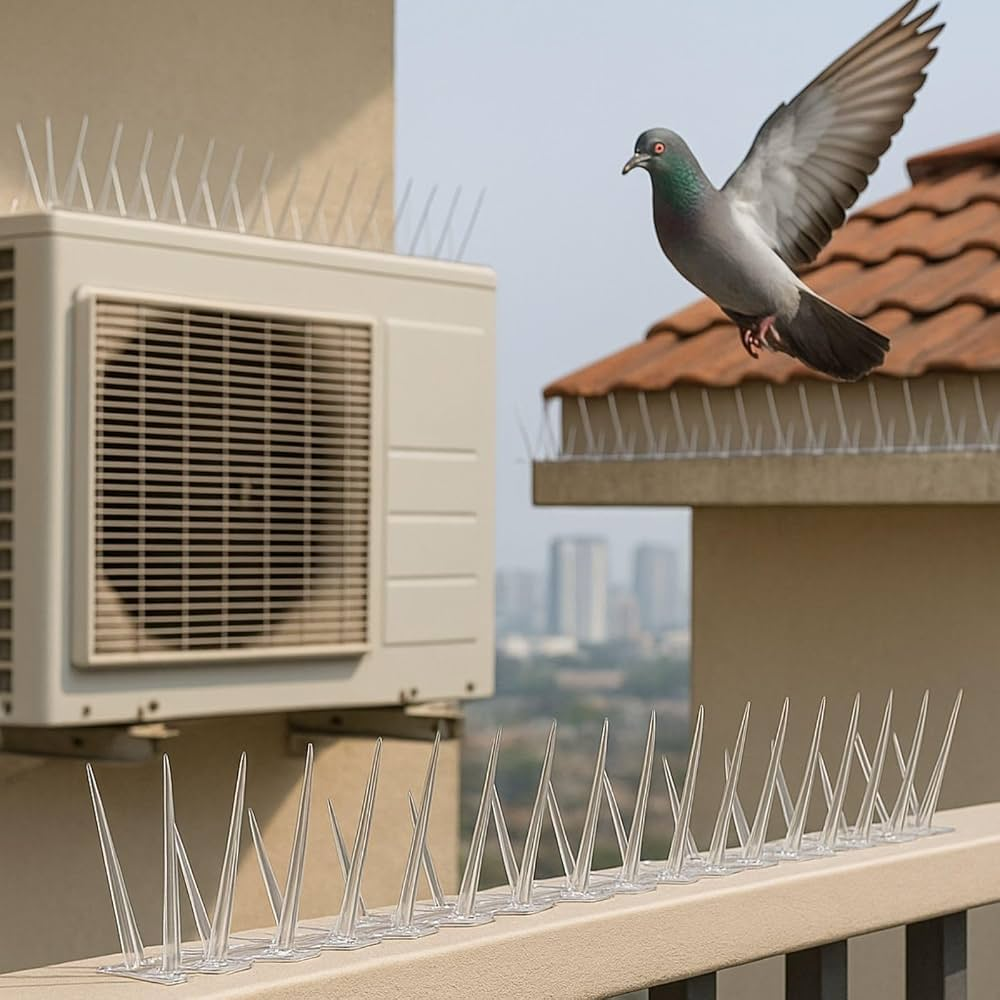
Pigeon Spikes for Roofs change the game by taking away the comfortable perch. The spikes stick up in rows, usually plastic or stainless steel, spaced so a pigeon can’t plant its feet steady. Birds see it, try once maybe, then move on. No pain involved – the tips are blunt enough, and experts like the RSPB back them as humane. They just make the spot useless for resting or nesting. That’s why they work so well long-term. Birds are creatures of habit, but habits break when the landing strip disappears.
What Types of Pigeon Spikes Are Available?
You get options depending on your roof and how bad the problem is. Plastic ones cost less and do the job for five to ten years if the sun doesn’t beat them up too hard. Stainless steel lasts longer, sometimes fifteen or twenty years, even in salty air or heavy rain. Some bases bend to fit curves or ridge tiles. Others come wider for broader ledges. The key is covering every possible landing zone without gaps. Leave a bare patch and the birds will find it. Install them right and the protection sticks around for a good while.
What Should You Know About Installing Pigeon Spikes on a Roof?
Installation isn’t rocket science, but it does need care. Clean the surface first – dirt or old droppings stop the adhesive from holding. Silicone or special glue works for most spots, screws for others. Cut the strips to length, press them down firm. On a steep roof or high ridge you might want a pro with the right gear, just for safety. DIY works fine on lower edges if you’re steady. Once they’re on, you barely think about them again. No batteries, no refills, no daily checks. That’s part of what makes them smart for the long haul.
How Do Pigeon Spikes Compare With Other Bird Control Methods?
Compare that to other methods and the difference shows. Nets cover bigger areas but cost more to put up and can look messy. Ultrasonic gadgets or fake predators lose their edge after a while – birds get used to them. Gels and sprays need constant reapplying and wash off in rain. Spikes stay put. They don’t rely on scaring the birds forever; they just remove the reason to land. For roofs specifically, where pigeons pick the high spots for a clear view, blocking those ridges and edges often pushes the whole flock elsewhere.
Can Pigeon Spikes Help Reduce Long-Term Maintenance Costs?
The money side adds up nicely over years. Upfront cost for good spikes and install is reasonable, especially if you do sections yourself. Then the savings kick in – fewer cleaning bills, less damage to gutters or fascia, no nesting debris clogging things up. One property owner I heard about had patio furniture ruined every summer from the droppings raining down. After spikes on the roof edge, the mess stopped. That’s the kind of quiet win that lasts. You protect the structure and keep the place looking decent without endless effort.
How Well Do Pigeon Spikes Hold Up in Different Weather Conditions?
Weather doesn’t bother quality spikes much. Stainless holds up against rust. UV-stable plastic resists cracking in hot summers. They handle wind, snow, whatever the season throws. Debris can collect sometimes – leaves or twigs – so a quick look once or twice a year keeps them clear. That’s about the only upkeep. Compared to chasing birds with temporary fixes every spring, this feels like set-it-and-forget-it control that actually holds.
Are Pigeon Spikes a Low-Profile Bird Control Option?
Aesthetics matter too for a lot of people. From the ground the spikes blend in pretty well, especially the thinner or colored versions. They’re not a big visual hit like netting draped over everything. On commercial buildings or homes in tidy neighborhoods, that low profile helps. You solve the bird problem without advertising it. And because they’re passive, no noise or moving parts to annoy neighbors either.
When Might Pigeon Spikes Need Additional Bird Control?
Of course nothing’s perfect for every single case. On huge flat roofs or under solar panels where birds nest in the gaps, spikes alone might need backup like mesh. Small songbirds can sometimes hop between wider spikes, though pigeons – the main troublemakers – can’t. Heavy pressure sites with food nearby may need a full plan that includes removing attractants. Still, for standard roof edges, ridges, and gutters, Pigeon Spikes for Roofs rank as one of the most reliable tools out there when fitted properly.
Why Roofs Attract Pigeons and How Spikes Break the Cycle
Roofs give birds height, safety from ground predators, and a base to watch for food. Once they claim a spot, they return daily. Droppings build fast – one pigeon can produce kilos a year – and the acid wears down materials. Nesting materials clog systems and create fire risks in some cases. Spikes interrupt that whole pattern right at the landing stage. No stable footing means no regular roost, which means fewer nests and less mess overall. It’s prevention more than reaction, and that pays off season after season.
What Materials and Lifespan Should You Consider?
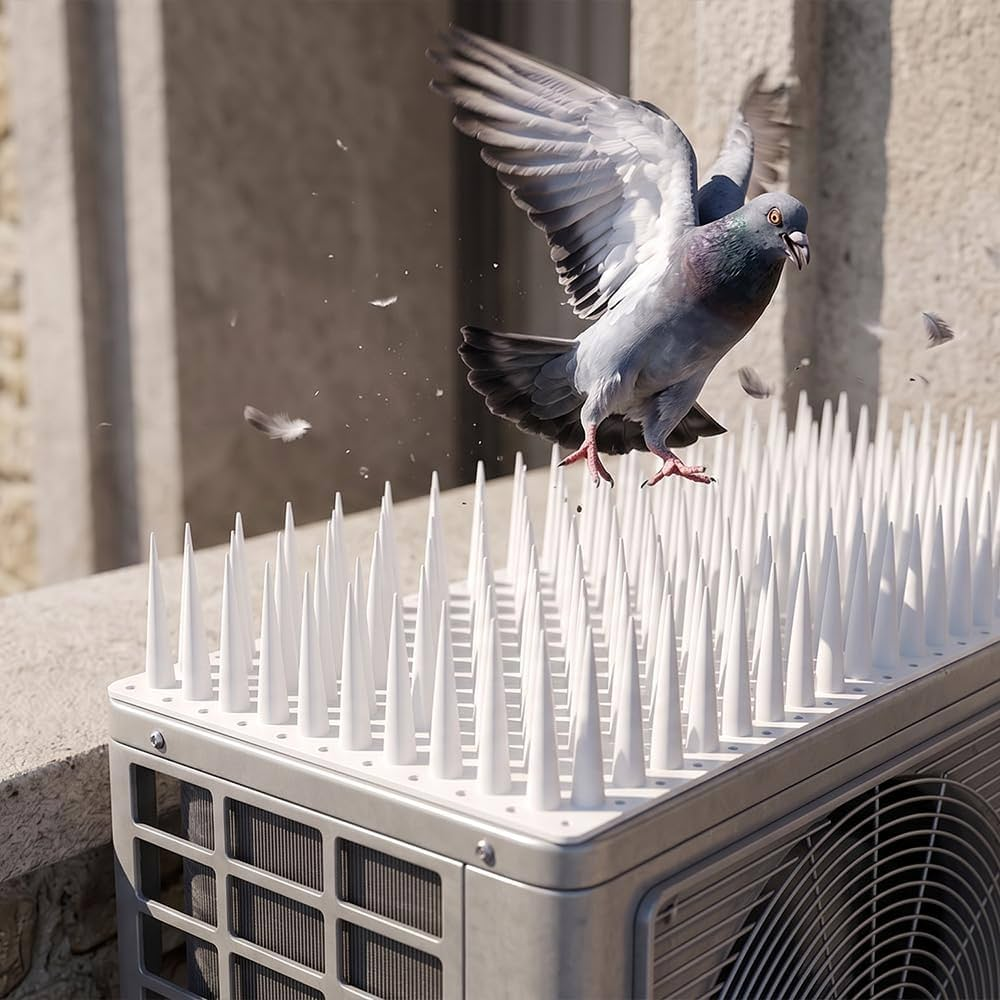
Pick stainless for durability if your budget allows and the climate is harsh. Plastic works well for milder spots and costs less to start. Either way, proper fixing decides how long they last. Cheap glue on a dirty surface fails early. Quality install and the right product stretch the life into a decade or more. That long service is what turns a one-time job into real long-term bird control instead of another temporary patch.
Conclusion
Pigeon Spikes for Roofs stand out because they deliver steady results without constant work or harm to the birds. They protect the structure, cut cleaning costs, and stay effective for years once in place. For anyone tired of the mess and damage, they’re a practical step that makes sense. Combining them with basic habits like not leaving food out nearby strengthens the whole approach. In the end, solid Pigeon Spikes give roofs the lasting defense most other options can’t match.