
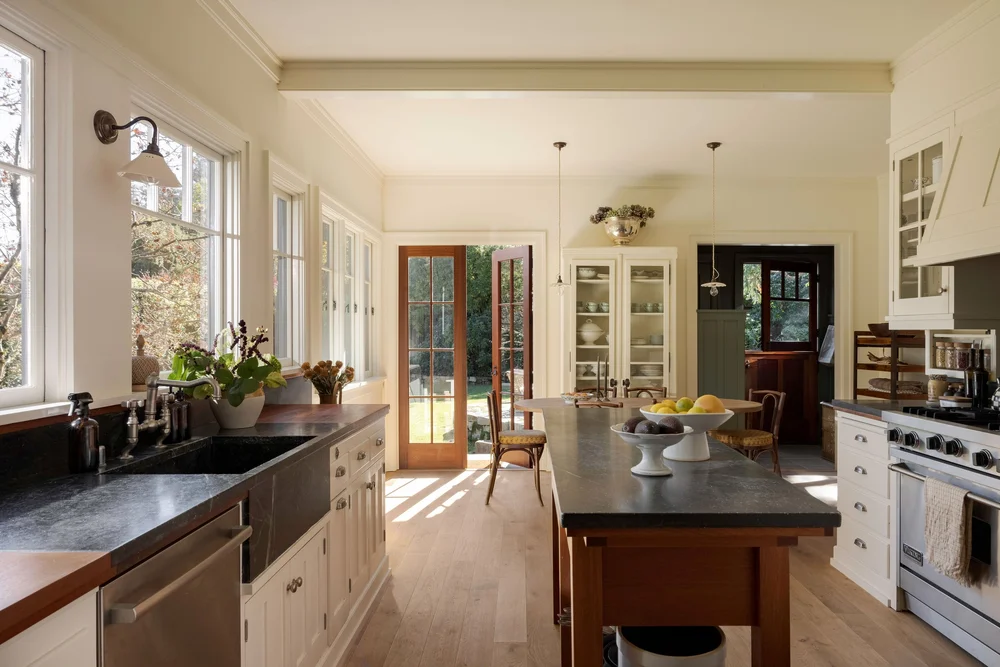
Bay Area homes don’t photograph like places in other parts of California. Fog softens the light one hour, then it burns off and everything goes hard and bright. Materials range from mid-century clean to warm farmhouse to modern glass boxes. Capturing that mix takes someone who understands the region, not just someone with a nice camera. A solid bay area home interior photographer knows how to work with that changing light, how to keep a white kitchen from looking cold, and how to show the way a room actually feels when you stand in it.
Let’s be real. A lot of interior photos look fine until you put them next to work that actually gets the space. Flat light. Over-edited colors. Rooms that feel staged instead of lived in. In the Bay Area that kind of work falls short pretty quick. The short answer is good photography has to respect both the design and the light that shapes it. One without the other just feels incomplete.
Capturing the Character of Bay Area Interiors
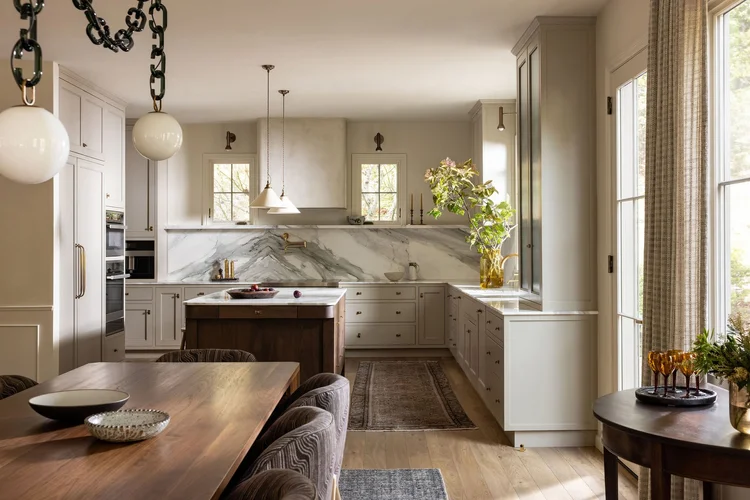
Bay Area interiors often blend styles in interesting ways. Clean lines next to warm wood. Big windows that look out on hills or water. Built-ins and careful details that deserve their own frames. Light moves fast here. Soft and diffused in the morning, sharper once the fog lifts. Someone who rushes through will miss the moments when the room really opens up. The better ones wait. They shoot the same space at different times if needed. They notice how the grain in a cabinet shows under natural light or how a hallway frames the view outside.
I’ve seen strong design work look ordinary because the photos didn’t keep up. That’s a waste. Interior photography isn’t just documentation. It’s how the project gets shared, published, remembered later. Weak images limit all of that. Strong ones open doors. They help designers and homeowners show the full intention behind the space, the quiet details that don’t always jump out on a gray day.
How Regional Light Changes the Approach
Further south the light and the architecture shift. An orange county home interior photographer deals with brighter, more consistent sun, more coastal influence, different materials and color palettes. The core skills stay close though. Read the room. Respect the design. Don’t force every shot into a formula that works somewhere else. The ones who handle it well treat each project as its own thing instead of repeating the same setup.
What sets stronger interior work apart is the ability to show both the structure and the feeling of the place. Some rooms need soft, even light so the materials stay true. Others look better with a little contrast that gives them depth. Kitchens, living rooms, bedrooms, laundry spaces, each one asks for a slightly different touch. Details matter. The way a shelf is styled. How a bathroom sink catches the light. Those smaller frames often say more about the design than the big wide shots do.
Why Time on Site Matters
Time on site is not optional. Light changes. Furniture sometimes needs shifting so the architecture can breathe. The photographers who get the best results usually aren’t trying to finish multiple houses in one day. They give the place the hours it needs. And the editing has to stay honest. Cleaning up distractions is fine. Turning the photo into something that no longer looks like the real house is not. Colors, textures, the weight of the materials, those need to stay true.
Choosing the Right Interior Photographer
If you’re a designer, builder, or homeowner looking to document a project, dig into portfolios carefully. Don’t just scroll the pretty hero images. Check how different types of rooms are handled. See whether the light feels natural or artificially smoothed out. Notice if the photos still feel like the actual place or like a version that got heavily changed. Consistency across kitchens, living spaces, and smaller rooms tells you more than one or two standout shots.
Conclusion
At the end of the day solid interior photography gives the design a longer life. It shows up in portfolios, publications, client meetings, and online long after the project is finished. Whether you’re looking for someone who understands Bay Area light and style or comparing options with an orange county home interior photographer, the basics don’t change much. Find the person who sees both the room and the way light moves through it, and who can turn that into images that feel honest. The difference shows once you start comparing. And in a market full of average photos, that difference is worth the search.