

3D Printing Prototype Services are everywhere right now. Everyone claims speed, precision, “next-gen manufacturing”… all the buzzwords. But if you’ve actually tried to get a prototype made, you already know the truth—it’s not that simple. You can still end up with warped parts, weak structures, or something that just doesn’t match your design at all.
Quality isn’t automatic. Not even close.
And if you’re serious about building something real—something that works, sells, or gets funded—you need to stay involved. You can’t just upload a file, pay, and hope for the best. That’s how bad prototypes happen.
Let’s break this down in a way that actually helps.
Start With a Clean, Thoughtful Design
This is where most people mess up. Not at the printing stage—but before it even gets there.
A 3D printing service is not magic. If your CAD file is sloppy, incomplete, or poorly thought out, the final prototype will reflect that. Sharp edges where they shouldn’t be, weak joints, weird wall thickness—it all shows up. Sometimes worse than you expect.
Spend time refining your design before you send it out. Check tolerances. Think about how the part will actually be printed. Orientation matters more than people think. A design that looks perfect on screen can fail completely depending on how it's layered.
And yeah, run a few simulations if you can. Or at least do a sanity check. Ask yourself: would this break if I held it? If the answer is “maybe,” fix it now.
Choose the Right Printing Technology (It’s Not One-Size-Fits-All)
Not all 3D printing is the same. That’s obvious, but people still treat it like it is.
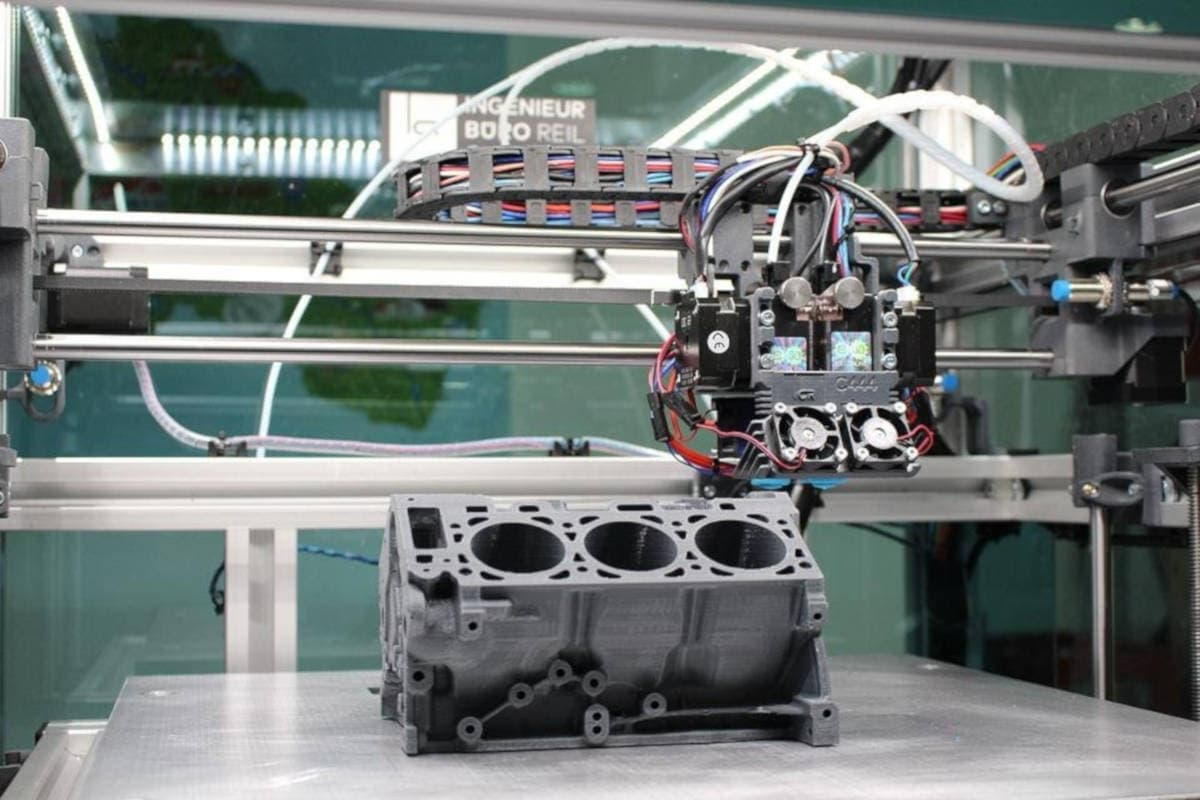
You’ve got FDM, SLA, SLS, MJF… and each one behaves differently. Different strength, different finish, different cost. If you don’t match the tech to your use case, you’re setting yourself up for disappointment.
Say you need fine detail. FDM probably won’t cut it. Need strength? SLA might not hold up. Functional testing? You’ll want something tougher—maybe SLS or MJF.
Good 3D Printing Prototype Services will guide you here. But don’t blindly trust them either. Ask questions. Push back a little. A decent provider won’t mind.
And if they do… that’s a red flag.
Material Selection Is Half the Battle
People underestimate this part all the time.
Material choice isn’t just about “plastic vs resin.” It’s about performance. Flexibility. Heat resistance. Surface finish. Even long-term durability.
PLA might be cheap and easy, but it’s brittle. ABS is stronger, but trickier to print. Nylon is tough but can absorb moisture. Resins look great but can crack under stress.
You need to think about how your prototype will actually be used. Is it just for visual presentation? Or are you going to test it, bend it, maybe drop it?
Don’t let the service pick the material without context. Give them real-world use cases. The more detail you share, the better your outcome.
Communication—Yeah, It Matters More Than You Think
This one sounds obvious, but it’s where things quietly fall apart.
If you send over a file with zero explanation, you’re leaving too much room for interpretation. And trust me, different technicians will interpret things differently.
Be clear about your expectations. Dimensions, tolerances, surface finish, strength—say it out loud. Even if it feels redundant.
Also, ask for feedback before they start printing. A good service will flag potential issues early. Warping risks, support problems, weak spots—they see things you might miss.
Treat it like a collaboration, not a transaction.
Request a Test Print First
If your project matters—even a little—don’t skip this.
A small test print can save you time, money, and frustration. You don’t need the full model. Just a critical section. Something that tests fit, finish, or structural integrity.
It’s tempting to go straight to the final version. Faster, cheaper upfront. But when it fails, you end up redoing everything anyway.
Testing lets you adjust before it’s too late. And honestly, most experienced developers do this by default. It’s not overkill—it’s smart.
Pay Attention to Post-Processing
Printing is just one part of the story.
What happens after the print matters just as much. Sanding, curing, polishing, painting—these steps can completely change the quality of your prototype.
Some services include basic finishing. Others charge extra. Either way, you need to know what you’re getting.
If surface finish matters (and it usually does), don’t assume it’ll come out perfect. Ask what post-processing is included. Ask how consistent it is.
And if you need a presentation-ready prototype, say that upfront. Otherwise, you might get something that works… but looks rough.
Tolerance and Fit—Don’t Guess
Here’s where things get technical, but it’s important.
3D printing isn’t perfectly precise. There are always slight deviations. If your design involves multiple parts fitting together, you need to account for that.
Too tight? It won’t fit. Too loose? It’ll wobble or fail.
Talk to your service about tolerances. Ask what they typically achieve with their machines and materials. Then design accordingly.
This is especially critical for mechanical parts. Hinges, joints, snap fits—they all depend on accuracy.
And no, “it should be fine” is not a strategy.
Inspect the Prototype Like You Mean It
When you get your prototype, don’t just glance at it and move on.
Test it. Stress it a bit. Check dimensions with actual tools. See how it behaves in real conditions.
You’re not just looking for obvious defects. You’re looking for subtle issues. Weak spots, slight warping, uneven surfaces.
Take notes. Document everything.
Because chances are, you’ll need to revise. That’s normal. Prototyping is iterative by nature.
Work With Services That Actually Care (You Can Tell)
Not all providers are equal. Some just want to push volume. Others actually care about the outcome.
You can usually tell pretty quickly.
Do they ask questions? Do they give suggestions? Do they point out flaws in your design instead of blindly printing it?
That’s what you want.
A good 3D Printing Prototype Services provider acts more like a partner. They don’t just execute—they think with you.
And yeah, they might cost a bit more. But the difference in quality? It’s noticeable.
Don’t Chase Cheap—It Backfires
Let’s be honest. Budget matters. But going for the cheapest option usually ends badly.
Lower cost often means lower quality machines, less experienced staff, minimal quality control. You might get lucky once. But it’s not reliable.
Think about the bigger picture. A bad prototype can delay your entire project. Or worse, mislead your testing results.
Spend where it counts.
Iteration Is Part of the Process
You’re not going to get it perfect on the first try. That’s just reality.
Even experienced teams go through multiple iterations. Small tweaks, adjustments, refinements—it’s all part of building something solid.
So plan for it. Budget for it. Don’t treat your first prototype like the final product.
Use each version as a learning step.
Conclusion: Quality Comes From Involvement, Not Just the Service
At the end of the day, quality doesn’t come from just hiring a good service. It comes from how you work with them.
You need to stay involved. Ask questions. Test things. Make changes. That’s how good prototypes are built.
The best results happen when there’s a real back-and-forth. Not just file uploads and invoices.
And if you’re serious about scaling beyond just one prototype, this becomes even more important. Because eventually, you’re not just printing—you’re building toward production. That’s where Product Prototype Development Services start to overlap, and where attention to quality really starts to pay off.
Cut corners early, and it shows later.
Do it right, and everything downstream gets easier.