
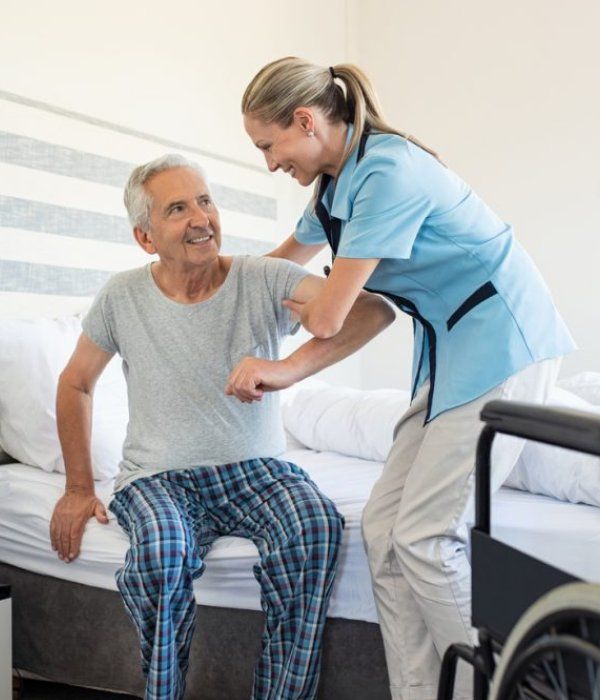
A lot of people hear “independent living” and picture somebody doing absolutely everything alone. That’s not really how it works.
NDIS Supported Independent Living SIL Cranbourne programs are about helping participants live more independently while still getting the support they actually need. Some people need help cooking meals. Others need assistance with routines, appointments, or daily tasks. Support changes based on the person.
And honestly, that flexibility matters a lot.
SIL Support Helps Build Confidence Over Time
Confidence usually grows slowly, not overnight.
For many participants, small achievements become huge milestones. Making breakfast independently. Managing personal routines. Learning household tasks. Catching transport with support nearby. Those things matter more than outsiders sometimes realize.
Good SIL support encourages progress without making participants feel pressured constantly. That balance helps people feel capable instead of dependent all the time.
Which is important mentally too.
Daily Living Skills Create Long-Term Independence
A big part of Supported Independent Living involves practical life skills.
Cleaning. Laundry. Budgeting. Meal prep. Personal hygiene routines. Grocery shopping. They sound basic, sure, but those daily habits build real independence over time. People feel more confident when they can handle parts of life themselves.
NDIS Social and Community Access support Cranbourne services often work alongside SIL programs to help participants practice those skills in real-world situations too.
That combination works well together honestly.
Community Access Keeps People Connected
Independence doesn’t mean sitting isolated at home all day.
NDIS Social and Community Access support Cranbourne programs help participants stay involved in the community around them. Support workers assist with outings, social activities, appointments, events, and everyday experiences many people take for granted.
Connection matters. Isolation affects confidence and mental health pretty heavily after a while.
Sometimes simply getting out regularly changes somebody’s whole mood.
Support Workers Play A Huge Role In Success
Not every support worker fits every participant. That’s just reality.
Good support workers understand communication styles, emotional needs, routines, and boundaries. They encourage independence without taking over unnecessarily. That relationship becomes a huge part of successful SIL support long-term.
Participants usually notice pretty quickly whether somebody genuinely respects their goals or is just going through motions.
The human side matters more than paperwork honestly.
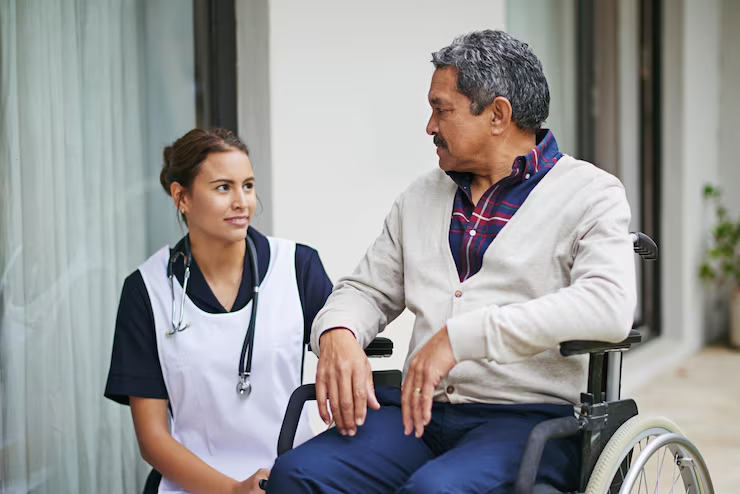
Families Often Feel Relief With Proper SIL Support
Families carry a lot emotionally.
Parents especially spend years worrying about long-term independence for their loved ones. SIL programs help ease some of that pressure because participants receive structured support while learning practical skills safely.
It gives families reassurance knowing somebody is there helping participants grow more independent gradually instead of facing everything alone.
That peace of mind matters too.
Structured Routines Help Participants Feel More Stable
Routine can change everything for some people.
Consistent schedules around meals, medication, activities, appointments, and sleep often improve emotional wellbeing significantly. Many participants feel less anxious when daily life becomes more predictable and manageable.
NDIS Supported Independent Living SIL Cranbourne services usually focus heavily on creating stable routines that still allow personal choice and flexibility.
That structure creates confidence over time.
Social Interaction Builds Communication Skills Naturally
Social growth doesn’t always happen in formal programs.
Sometimes it happens during coffee outings, grocery shopping, group activities, or simple conversations with support staff. Regular social interaction helps participants practice communication and relationship-building naturally.
NDIS Social and Community Access support Cranbourne programs create those opportunities consistently. Over time many participants become more comfortable socially and emotionally.
You can actually watch confidence develop slowly.
Independence Does Not Mean No Support
People misunderstand independence sometimes.
Being independent doesn’t mean refusing all help. It means having more control, choice, and ability to manage daily life in ways that feel meaningful. Support still exists where needed.
Good SIL providers understand that balance. They support growth without pushing unrealistic expectations onto participants. Everybody progresses differently anyway.
And that’s completely normal honestly.
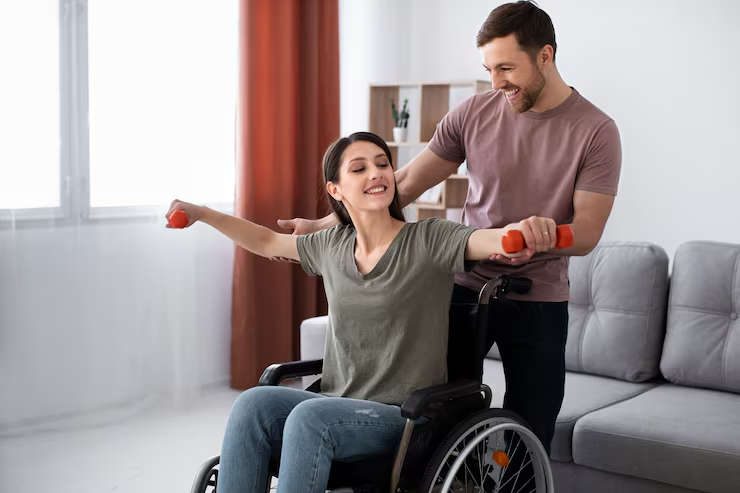
Final Thoughts On SIL Support And Community Access In Cranbourne
Building independence takes patience, support, and consistency. It rarely happens all at once.
NDIS Supported Independent Living SIL Cranbourne services help participants develop life skills, confidence, routines, and greater control over daily living while still receiving the support they need. Combined with NDIS Social and Community Access support Cranbourne programs, participants stay connected, active, and involved in their communities too.
Small progress still counts as progress. That part matters.
If you or your family are exploring supported independent living options, visit Kneeflow LLC to start building stronger routines, confidence, and everyday independence with trusted support.
FAQs
What is NDIS Supported Independent Living SIL Cranbourne?
SIL provides daily living support for participants who need assistance while developing greater independence at home.
What does NDIS Social and Community Access support Cranbourne include?
It includes support for outings, appointments, activities, social events, shopping, and community participation.
Can SIL help participants learn life skills?
Yes. SIL programs often focus on cooking, cleaning, budgeting, routines, hygiene, and other everyday living skills.
Does independent living mean participants live completely alone?
Not always. Some participants live with support workers or shared accommodation while building independence gradually.
Why is community access important for participants?
Community involvement helps improve confidence, social skills, emotional wellbeing, and overall quality of life.