
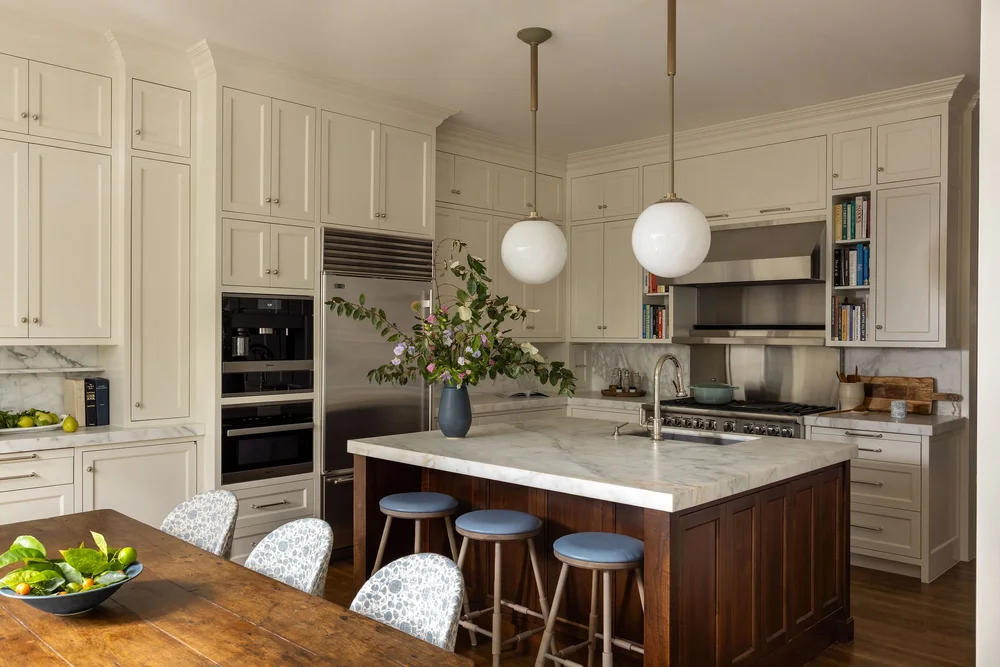
Every house has something to say. Might sound intense, sure. Still accurate. A built-for-you place in Sacramento hits differently than a cabin hideaway up near Truckee. This one hums with city warmth. That one breathes slow air, hushed under pines. Strong photos grab that shift long before boots cross any welcome mat.
A person who knows buildings in Sacramento makes all the difference here. It is not about having high-end equipment. Owning fancy tools means little these days. Seeing how forms meet sunlight matters most. Moments shift. Angles change. Mastery hides in those details. A hush hangs until the air shifts. Light slips in sideways, catching on a rough gray surface just right. That pause breaks. Warmth pools where shadow stood. The space breathes again.
Scrolling through listings, folks decide quickly. Like, really quick. A powerful image grabs them. But dull pictures? Gone in a flash. Even if the place looks amazing in person, it won’t help.
Truth is, Sacramento feels different these days. Buildings rise taller, sharper than before. Remodeled houses pop up where old ones stood. Inside restaurants, care shows in small details. Small studios take space in quiet blocks. Fancy homes appear in places once overlooked. How things look carries weight now - more than anyone expected back then.
Buildings look believable when their bones show. Every line means something. Nothing feels accidental. This kind of clarity pulls in people who shape spaces - architects, crews, creatives, those selling homes or offices where difference wins attention. What sticks is the quiet confidence in how things are put together.
Sacramento Architecture Has Its Own Personality
What holds Sacramento together isn’t a single look. The mix of shapes, colors, and eras pulls the camera in.
Just past the corner, light-colored houses stand quietly between century-old bungalows built with thick timber beams and wide entry porches. Out of nowhere, a sharp-edged office structure appears, its broad windows catching leaves, sky, passing cars - over and over through the day.
Light shifts fast when shooting buildings. One moment it works, next it does not - each place answers to its own rhythm. Sunrise lifts some structures into focus. Evening pulls others out of dullness. Standing there with a lens changes what you expect. Most never notice until they see the frame.
Out here, straight edges tend to work better when it's offices or stores. Homes lean toward softness somehow. Not cold. Feels used, maybe someone just stepped out. Even if they never were.
Midday hits hard in Sacramento. Shadows lie flat, lifeless on the ground. Light bounces off every surface like it has something to prove. You stand around longer than you click shutters. Really. The clock decides what gets captured when photographing buildings.
Most people spot it once they line up polished photos next to snaps taken fast on a phone. There’s less noise in the expert version. It sits easier in the eye. Air moves through the frame differently.
What Clients Look For In Architectural Photos
What people ask for isn’t always what they need. At first, it seems like nice pictures are enough. But once we start talking, things shift.
Most architects care about clean records of their choices. Yet builders find pride where joints meet, when wood fits tight without gaps. On some days, realtors rely less on facts than feelings - something in the light that makes callers stop scrolling. Meanwhile, interior folks notice what others pass by: grain direction, air movement near doorways, how sound changes across floors.Because of this, thinking ahead counts - long before any camera appears.
A solid Sacramento architectural photographer talks about lighting angles shot composition property condition timing access details equipment needs client expectations project scope deliverables schedules permits crew requirements site restrictions weather considerations post processing styles file formats resolution requirements deadlines communication plans revisions feedback turnaround times
Intended Image Usage
These pictures might show up online. Or maybe they're meant for magazines instead. Could wind up being shared through social networks too. Possibly even used in printed ads somewhere. Each place asks for something different.
Lighting Goals
Some clients want sunlight pouring in. Others prefer dimmer rooms with deeper colors. A few go for crisp, bright shots like magazine pages. Each person brings a different vision, so the method shifts fast.
Property Preparation
Pictures of amazing buildings still look off if rooms feel messy or set up wrong. A small mess turns into a big problem once you zoom in close.
It happens more than you think - folks overlook this bit. One lopsided seat might wreck the whole setup. Odd, yet accurate.
Truth is, shooting outside brings its own mess. The sun vanishes behind clouds without warning. Branches suddenly cast shadows you didn’t plan for. Vehicles park right in your frame like they’ve got a grudge. Buildings on camera demand stillness most never realize.
Truckee Homes Present Unique Challenges
Around Truckee, light bends differently through mountain air when you're taking pictures of homes. Shooting houses near Sacramento feel more flat by comparison, less sharp somehow.
Out here, Truckee houses never stop touching the wild. When snow falls, the whole scene resets itself. Sunlight through pines jumps around walls without warning. Up high, daylight swings quicker than down below. Inside, rooms lean into deep-colored stuff, making things harder for lenses.Darkness creeps into photos of a mountain home even when the space feels warm up close, unless light gets handled just right by whoever's shooting.
Weather shows up too. In Truckee, it shifts without warning. One moment clear skies stretch out - then vanish within a quarter hour. Speed becomes part of the routine.
A solid photographer in Truckee gets what a house here needs to say without words. Light that feels like comfort plays a role. Rough wood, stone, snow-dusted edges - those details pull weight. What counts above nearly everything? How the walls seem to grow from the land itself.Most folks picking out mountain homes care just as much about vibe as they do space. The pictures should capture that mood right away.
Heavy wooden beams, rocky hearths, glass walls wide open - these details ask for care in how they’re shown. Snapshots taken too quickly drain the feeling right out. A pause changes everything.
Morning fog often drapes over Truckee like a quiet secret. Snow falls here without hurry, settling into corners most photos miss. Thick cloud cover builds layers a screen could never copy. Sometimes it takes bad weather to show what’s real.
Interior Photography Isn't As Easy As It Looks
Interiors look simple until you actually try photographing them professionally.
Out come the windows. Darkers grow the ceilings. Clashing happens between colors without warning. Orange glows appear from lamps just as blue seeps in from outside light. Small spaces seem tighter when seen through a camera eye. A wide-angle lens warps things fast if attention slips.Interior architectural photography demands precision, yet holds back on excess. It works through careful choices, never rushing the moment.
A photographer in Sacramento who focuses on buildings might spend a long while adjusting brightness by hand, avoiding quick fixes. At times, several shots are stitched together slowly, making sure the result looks real, not staged or too heavy-handed.
And that balance matters.
Truth hits first. Folks roll their eyes at slick building shots these days. Can’t always name it, yet something feels off about those too-clean scenes. Sharp corners and flawless skies whisper lies. Real charm hides in honest light, uneven shadows, a hint of weather. Aim there instead.
Start by noticing how pillows never stay put during interior shots. A breeze through open windows messes up curtain folds every single time. Light bounces off fridge doors or glass shelves when you least expect it. Small ornaments tilt slightly after each adjustment. Balance breaks if one item feels out of place.
Truth be told, it’s obsessive - it basically admits it. The way it feels? Totally fixated, like there's no hiding that core reality.Yet here’s what sets pro architectural shots apart from typical property pictures. Worlds apart, really.
Timing Matters Most in Exterior Photography
Most folks fixate on camera gear way more than needed.A beginner behind the camera might have gear worth ten grand, yet falter without grasping where light comes from. When it comes to shooting buildings, everything hinges on when you press the shutter.
Mornings here start with light that slips gently across walls, tracing shapes without harsh edges. As hours pass, late-day sun wraps buildings in a deeper tone, warming brick and stone alike. When daylight fades, rooms inside high-end houses shine outward, their glow meeting the quiet dark above.
But timing changes in Truckee.Where mountains rise, shadows stretch longer. Bright glare jumps from snowfields without warning. Trees soak up daylight quicker than streets surrounded by buildings.
Before big photo sessions, a good truckee home photographer checks out spots ahead of time. Sunlight paths get reviewed closely. Cloud trends matter too. Shadows from trees are noted carefully. Entry routes? Always mapped early.
Truth is, shooting buildings outside often plays more like capturing wide-open spaces than focusing on faces. Waiting quietly slips into the routine without warning.
Most strong photos come from patience, not direction. Moments arrive when they want, never on command.Maybe that’s what makes powerful architecture seem so still. Built without hurry.
Professional Photography Matters for Builders and Designers
Most contractors spend big bucks on building stuff but skimp when it comes to photos. Feels odd, really.Spending ages building something unique, yet snapping pics on your phone at the last minute? That just won’t do. A few blurry shots after all that effort - really?
Pictures taken today might still draw interest tomorrow. A single showcase of work could keep bringing questions in later times. Mainly when seen on the web.Pictures show an architect's work. Yet designers send their ideas to magazines instead. Websites change when contractors post new jobs online - alongside fresh posts on social apps too. A realtor makes sure homes appear where buyers look.A first glance often settles how much something seems worth. How it looks can shift opinion fast.
A photo expert in Sacramento captures buildings in a way that feels real, helping companies show who they are without seeming fake. Right now, people pay more attention when images feel honest instead of too slick. Realness wins where perfection once ruled.
Most people size up a company just by how it looks. In seconds flat.
Pictures that lack clarity tend to leave people unsure. A sharp photo can set the tone, easing minds well before words are exchanged.Most noticeable when prices climb high.
Right away, folks who demand top-quality work look for real evidence. Sharp, close-up images deliver exactly what they’re after.
Editing Helps Yet Too Much Hurts Building Photos
Editing architecture images takes restraint.Buildings start looking like cartoons when HDR goes too far. Colors turn false the moment they cross into over-saturation. Texture vanishes under heavy contrast. That approach had some grace period long back. These days, it just does not hold up.Modern architectural photography usually leans cleaner and more natural.
A well-trained eye in Sacramento, when capturing buildings, adjusts lines so walls stand straight. Light across a façade gets evened out naturally, not forced. Tones are brought into harmony, one shade at a time. Small features emerge clearer, yet nothing feels altered beyond truth. The final image remains grounded in reality, just more precise.
Spending time on architecture edits? That happens when every line needs precision. Crooked walls won’t do - they’ve got to appear perfectly upright. Upward lines hold weight here. The color of windows plays a role too. So does how light bounces around glass, always making a difference.
Most Truckee houses need extra attention during edits, since snowy views often trick a camera’s light meter. Gray creeps into white areas quicker than expected. When colors shift even slightly, cozy indoor tones tend to vanish without warning.
A strong photo of a Truckee house feels natural, even when light shifts just right. Scenes hold their mood because shadows stay soft, never forced. Each frame captures calm through careful timing instead of edits that shout. Real moments breathe easier when brightness doesn’t overwhelm. The best shots feel lived-in, as if no one posed anything at all.Good editing stays hidden. This is what it aims for.Most people won’t even consider Photoshop. What stands out is just the building.
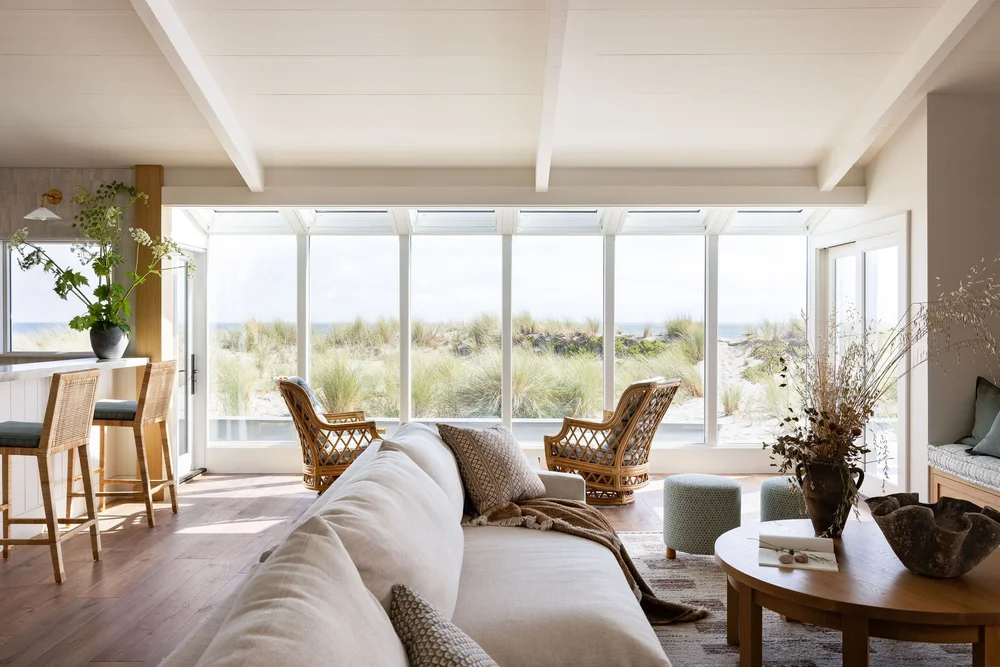
Real Estate Photography Differs From Architectural Photography
It happens all the time - confusing one for the other without a second thought.Out the door fast - that’s how real estate photos move. Snap it while the light fills the space just right. Lenses stretch every corner into view. Click. Move on.Stillness defines architectural photography. Much more than people expect. Slowness becomes part of the process, almost like waiting for light to settle into place.Storytelling takes over where mere recording used to stand.
Some architectural photographers pause over how things are arranged, what stuff is made of, how designs move through space, also the surroundings. One shot could take half an hour to get right. Maybe more.
Photos of homes help sell them fast. Buildings shown with care tell stories that last. A moment caught well sticks around. First impressions shift quickly; lasting ones grow slow. Of course, some parts match up - still, the thinking behind them feels quite distinct.
A photo taken inside a building might begin with a talk between builder and lens expert. One shapes space another captures it, careful light and steady focus matters more than usual here. Sometimes magazines ask for specific frames that come after walkthroughs on job sites early in the morning. Designers share blueprints moments before shutter clicks happen and quiet attention fills the room then.
A photographer based in Truckee spends days capturing high-end mountain homes, mixing clean shots of design with moments that feel lived-in. Since people buying these places care how it feels to be there, not just how walls stand. Light through a window at dawn might matter more than square footage. A coffee mug left on a counter tells a story blueprints cannot. These images aren’t about structures alone - they whisper routines, quiet mornings, snow falling beyond glass. Mood becomes part of the structure. What you see is not only space but what could happen inside it. Feels stick around longer than most expect.
The Best Architectural Images Feel Human
Most people skip right past it every single time.Buildings shouldn’t feel lifeless in photographs. Warmth matters, even where no one stands. A feeling slips into corners of quiet rooms. Great photos of buildings pull you in, somehow. You find yourself by a fire before realizing it. Steps echo in your mind across kitchen floors. Massive glass vanishes into mountainsides when you reach for the handle.
Not every scene needs a person inside it. Life often shows up in quieter ways. Take how a chair leans slightly off the axis. Light that pools gently along baseboards. Even the slow crawl of shade over uneven plaster holds stories.
A good photographer in Sacramento knows how feelings move through a set of pictures. One shot might show how big a building is. Another lingers on texture or a small architectural line. These frames, when placed one after another, build their own kind of beat.
Just like elsewhere up in Truckee’s hillside houses. A snug feel only works when space is felt too. Photos that seem too sterile? They kill the warmth right away.Photography of buildings goes beyond sharp images. Feeling shapes how we see the frame.Could sound like an exaggeration - yet here we are, facing facts.
How to Pick a Photographer That Fits Your Work
A single lens does not suit all moments. Some eyes see what others miss. Matching vision to task matters more than gear ever could.
Most who capture offices well can’t quite nail cozy homes. Yet a few see inside rooms clearly, though their outdoor shots lack punch.A steady portfolio beats a shiny site every time.
Most folks check lighting first when picking a Sacramento architectural photographer. Yet sometimes it's how light shifts between shots that matters more. Composition? Sure, precision counts - although uneven framing can hint at a deeper pattern. Editing choices often reveal habits, not just taste. A single stunning portfolio section might stand out sharply against quieter ones. That gap could say something worth noting. Emotion usually threads through strong work consistently. When it does not, questions start to form naturally. What counts just as much is knowing your way around design work.
Stillness shapes how buildings appear through the lens. Waiting matters just as much as knowing camera settings. This kind of shooting never happens by accident.
Should you need photos taken around Truckee, finding someone familiar with mountain settings matters most. When snow alters light fast, or storms roll in without warning, only practice helps. Darker rooms inside cabins add another layer of difficulty. Trees crowd spaces, shadows stretch oddly - moments that trip up those who lack field time.Fairness shows up most when words aren’t twisted. Truth slips in through open talk.
Working together comes naturally to strong photographers. Questions guide their process. Places get explored ahead of time. Intentions take shape through conversation. When surprises hit, they adapt without rushing.Most times, the result ends up sharper. A clearer picture often follows.
Architecture Photography Shifts With Modern Marketing
Visual marketing moves fast now.Out there, websites never stop changing. Fresh posts keep social platforms moving, day after day. The race among creators has sharpened, especially on the web. These days, even tiny design studios see how visuals shape their name.
These days, snapping buildings like a pro isn’t just nice - it’s what people assume will happen.
From above, drones changed how we capture homes. When done right, high-up views reveal size plus surroundings in a quiet way. Think Truckee hills merging with design lines - earth touching structure without effort.Yet through shifting tools, core principles hold strongest.
Light. Composition. Timing. Patience.
They stay around forever, these items.A photographer in Sacramento focused on architecture builds better images when they blend narrative sense, precise technique, strong vision - over someone banking only on flashy post-processing or high-end gear.
Out there among the peaks, even seasoned shooters find winter light shifts fast. Yet photos made with care? They hold strong. A quiet moment caught the right beats chasing drama every time.
Truth hits last: folks feel rooms deep in their gut. A sharp photo of buildings can stir that same pull long before feet touch the floor.
FAQ:-
Buildings and structures in Sacramento captured by architectural photographers?
Out of frame, light shapes a kitchen’s edge - Sacramento architects often hire photographers for that. Spaces like offices, restaurants, or remodeled homes appear calm under precise angles. Instead of rushing, these photos let materials speak: wood grain, steel joints, shadow gaps. Luxury houses rise quietly inside wide shots. Even air feels measured when composition holds still. Modern residences gain depth without drama. Through focused framing, structure meets mood - not just walls, but how daylight leans across them.
How is a Truckee home photographer different from regular real estate photographers?
Home photography in Truckee often cares less about quick shoots, more about feel, structure, how buildings meet land, and managing light. Because mountain houses sit under heavy snow, face dim rooms, deal with shifting daylight, they need someone who knows those quirks.
When is the best time for architectural photography sessions?
Light outside tends to look nicest when the sun is low, early or late. Inside shots change based on which way windows face, what clouds are doing, how a space should feel. Instead of sticking to clocks, many pros time their work by where sunlight falls through rooms.
Why should architects and builders hire professional architectural photographers?
Pictures taken by experts give architects, designers, and builders a real edge when showing off their work. Because sharp visuals build trust, they also boost how these professionals appear online. When potential clients see strong photos, interest grows naturally - no push needed.
How long does an architectural photography session take?
Some jobs wrap up fast, others stretch longer - it depends on the place. A compact house might only need a morning plus an afternoon. Big builds, fancy homes, or business spaces often eat up entire days, sometimes more than one.
What should homeowners do before an architectural photography session?
Out here, clearing clutter makes space breathe better on camera. Wiped-down countertops catch light just right when shots are framed. Furniture shifted even slightly can change how a room feels through the lens. Outside, trimmed plants guide the eye where it needs to go. Tiny things - like an aligned edge or clean baseboard - show up more than expected. Precision isn’t everything, yet those moments add weight.